
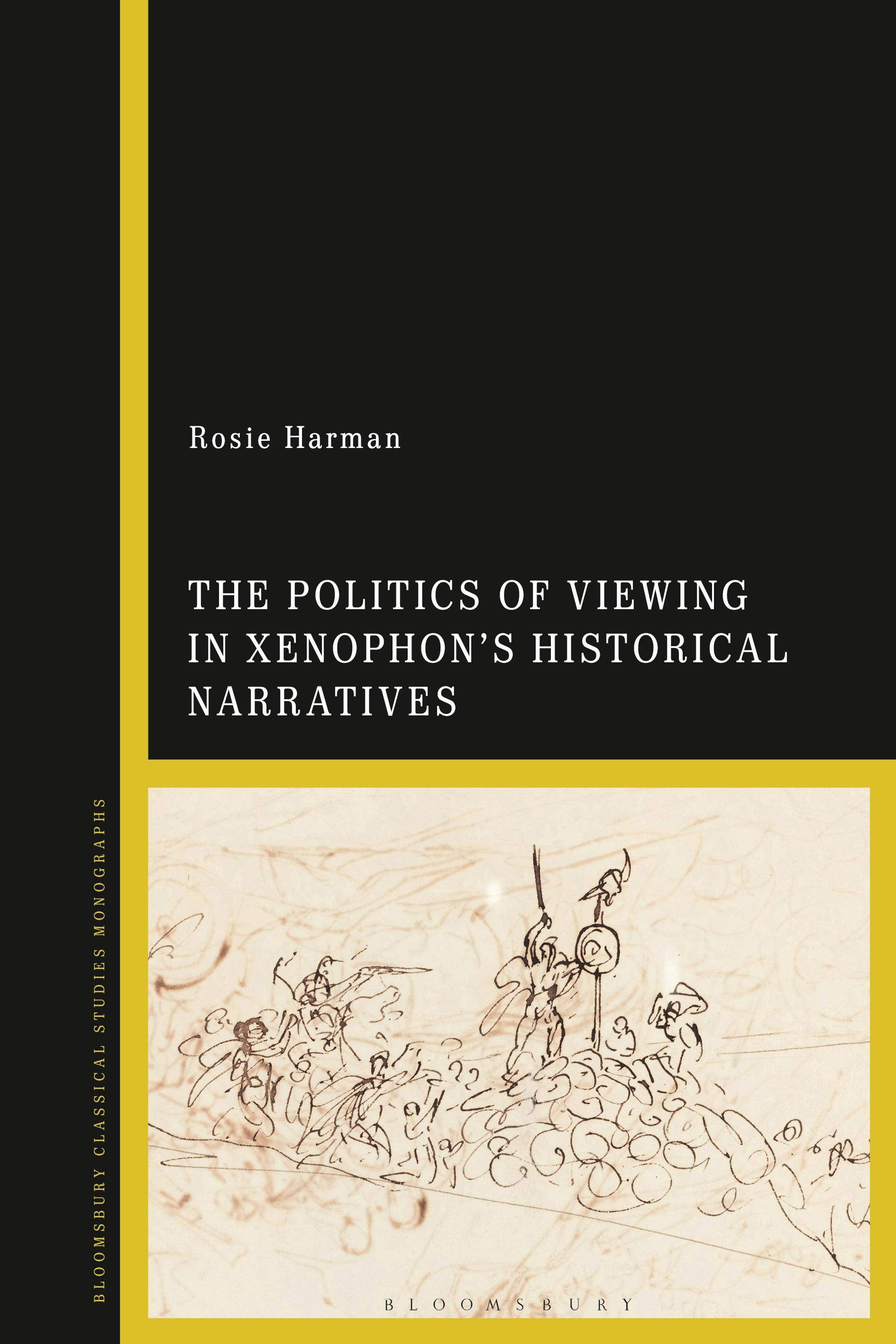
This book considers cultural identity and power relations in early fourth-century BCE Greece through a reading of Xenophon's historical narratives, the Hellenica, Anabasis and Cyropaedia. These texts depict conflicts between Greek states, conflicts between Greeks and non-Greeks, and relations between the elite individual and society. In all three texts, politically significant moments are imagined in visual terms. We witness spectacles of Spartan military victory, vistas of Asian landscape or displays of Persian imperial pomp, and historical protagonists are presented as spectators viewing and responding to events.
Through this visual form of narration, the reader is encouraged imaginatively to place themselves in the position of the historical protagonists. In viewing events from different perspectives, and therefore occupying multiple, often conflicting political positions, the reader not only experiences the problems faced by historical actors, but becomes engaged in the political conflicts acted out in the narratives.
The reader is prompted to take pleasure in the sight of Panhellenic achievement, but also to witness the divisions and conflicts between Greeks on class and ethnic lines. Similarly the reader is invited to identify with spectacular Greek and non-Greek figures of power as emblems of Greek imperial potential, but also to see through the eyes of those communities subjugated at their hands. The depiction of spectacles and spectators draws the reader into an active participation in the ideological contradictions of their time, in a period when Panhellenic aspiration co-existed with hegemonic competition between Greek states, and when Greeks could be both beneficiaries and victims of imperialism.
Through this visual form of narration, the reader is encouraged imaginatively to place themselves in the position of the historical protagonists. In viewing events from different perspectives, and therefore occupying multiple, often conflicting political positions, the reader not only experiences the problems faced by historical actors, but becomes engaged in the political conflicts acted out in the narratives.
The reader is prompted to take pleasure in the sight of Panhellenic achievement, but also to witness the divisions and conflicts between Greeks on class and ethnic lines. Similarly the reader is invited to identify with spectacular Greek and non-Greek figures of power as emblems of Greek imperial potential, but also to see through the eyes of those communities subjugated at their hands. The depiction of spectacles and spectators draws the reader into an active participation in the ideological contradictions of their time, in a period when Panhellenic aspiration co-existed with hegemonic competition between Greek states, and when Greeks could be both beneficiaries and victims of imperialism.
Sivuja: 240
Kategoria: Arkeologi & Antikvetenskap
e-ISBN: 9781350159044
Lähetyspaino: 1.2 kg
Toimitusaika: 1-2 päivää
Maksa helposti kortilla, Klarnalla, Apple Paylla tai Google Paylla. Etkö ole tyytyväinen? Sinulla on aina 14 päivän palautusoikeus. Lue lisää ehdoistamme. Jos sinulla on kysyttävää, lähetä meille sähköpostia osoitteeseen hello@memmo.org.
Memmo tekee opiskelusta helpompaa – missä päin maailmaa ikinä oletkin. Meillä yhdistät kurssikirjat ja fiksut opiskelutyökalut yhteen paikkaan: tiivistelmät, visat, podcastit ja muistikortit. Ja sitten Ted, opiskelukaverisi, joka vastaa kaikkeen, mitä ikinä mietitkin. Yli 50 000 opiskelijaa opiskelee jo täällä – rakennettu auttamaan sinua oppimaan nopeammin ja stressaamaan vähemmän.