
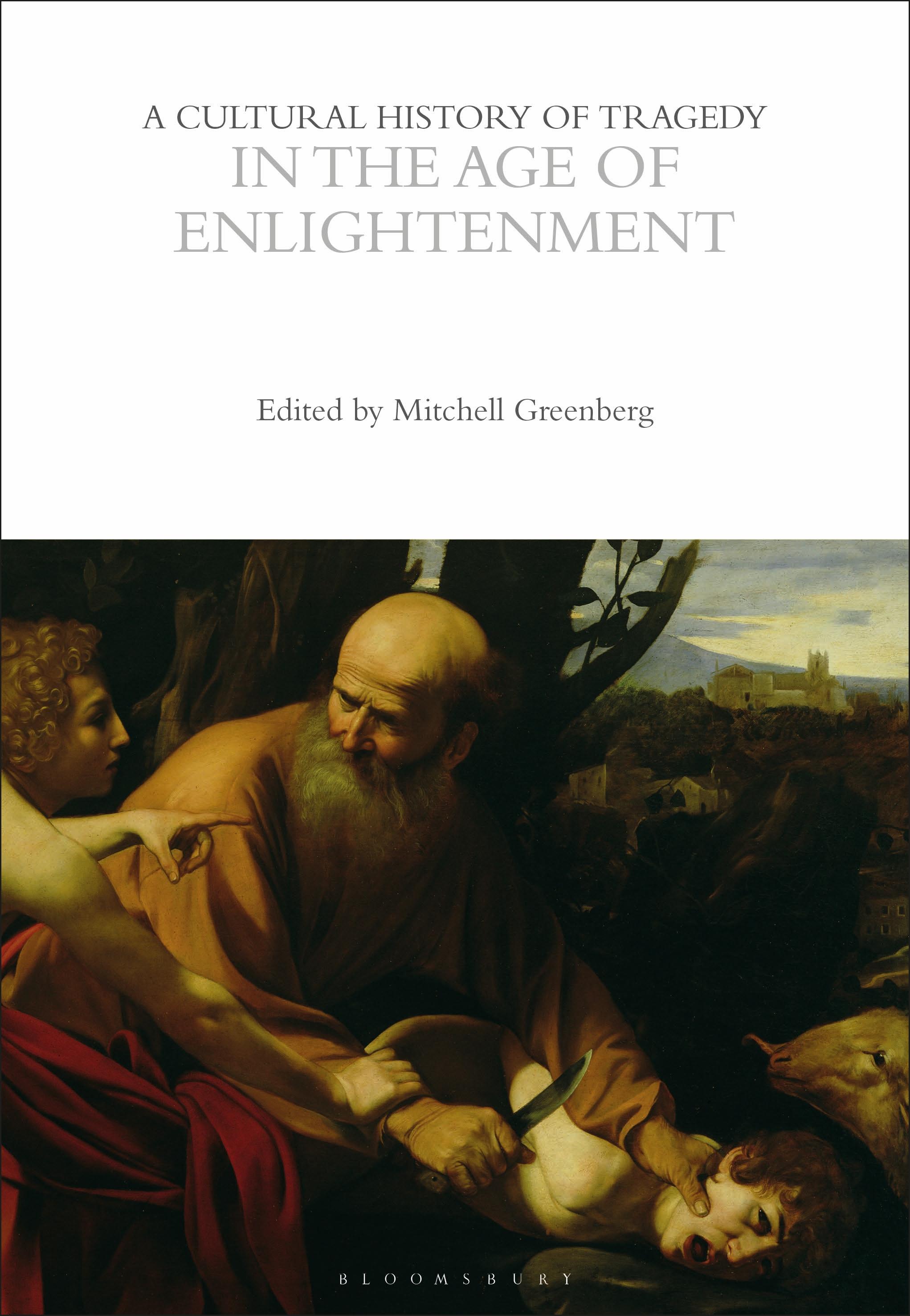
The period covered by this volume in the Cultural History of Tragedy set is bookended by two shockingly similar historical events: the beheading of a king, Charles I of England in 1649 and Louis XIV of France in 1793. The period between these two dates saw enormous political, social and economic changes that altered European society's cultural life. Tragedy, which had dominated the European stage at the beginning of this period, gradually saw itself replaced by new literary forms, culminating in the gradual decline of theatrical tragedy from the heights it had reached in the 1660s.
The dominance of France's military and cultural prestige during this period is reflected in the important, almost exclusive, space dedicated in this volume to the French stage. This book covers the tragedies of France's two greatest playwrights - Pierre Corneille (1606-84) and Jean Racine (1639-99) - which would dominate not only the French stage but, through translations and adaptations, became the model of tragic theater across Europe, finding imitators in England (Dryden), Italy (Alfieri) and as far afield as Russia. This dominance continued well into the 18th century with the triumph of Voltaire's tragedies. This volume also examines how the writings of Diderot and Lessing changed the direction of theatre and how after the Revolution, in the writings of Goethe, Shiller, Hegel, tragedy and the tragic were reimagined and became the sign of European modernity.
Each chapter takes a different theme as its focus: forms and media; sites of performance and circulation; communities of production and consumption; philosophy and social theory; religion, ritual and myth; politics of city and nation; society and family, and gender and sexuality.
The dominance of France's military and cultural prestige during this period is reflected in the important, almost exclusive, space dedicated in this volume to the French stage. This book covers the tragedies of France's two greatest playwrights - Pierre Corneille (1606-84) and Jean Racine (1639-99) - which would dominate not only the French stage but, through translations and adaptations, became the model of tragic theater across Europe, finding imitators in England (Dryden), Italy (Alfieri) and as far afield as Russia. This dominance continued well into the 18th century with the triumph of Voltaire's tragedies. This volume also examines how the writings of Diderot and Lessing changed the direction of theatre and how after the Revolution, in the writings of Goethe, Shiller, Hegel, tragedy and the tragic were reimagined and became the sign of European modernity.
Each chapter takes a different theme as its focus: forms and media; sites of performance and circulation; communities of production and consumption; philosophy and social theory; religion, ritual and myth; politics of city and nation; society and family, and gender and sexuality.
Sivuja: 248
Kategoria: Drama, Teater & Scenkonst
e-ISBN: 9781350155084
Lähetyspaino: 1.2 kg
Toimitusaika: 1-2 päivää
Maksa helposti kortilla, Klarnalla, Apple Paylla tai Google Paylla. Etkö ole tyytyväinen? Sinulla on aina 14 päivän palautusoikeus. Lue lisää ehdoistamme. Jos sinulla on kysyttävää, lähetä meille sähköpostia osoitteeseen hello@memmo.org.
Memmo tekee opiskelusta helpompaa – missä päin maailmaa ikinä oletkin. Meillä yhdistät kurssikirjat ja fiksut opiskelutyökalut yhteen paikkaan: tiivistelmät, visat, podcastit ja muistikortit. Ja sitten Ted, opiskelukaverisi, joka vastaa kaikkeen, mitä ikinä mietitkin. Yli 50 000 opiskelijaa opiskelee jo täällä – rakennettu auttamaan sinua oppimaan nopeammin ja stressaamaan vähemmän.