
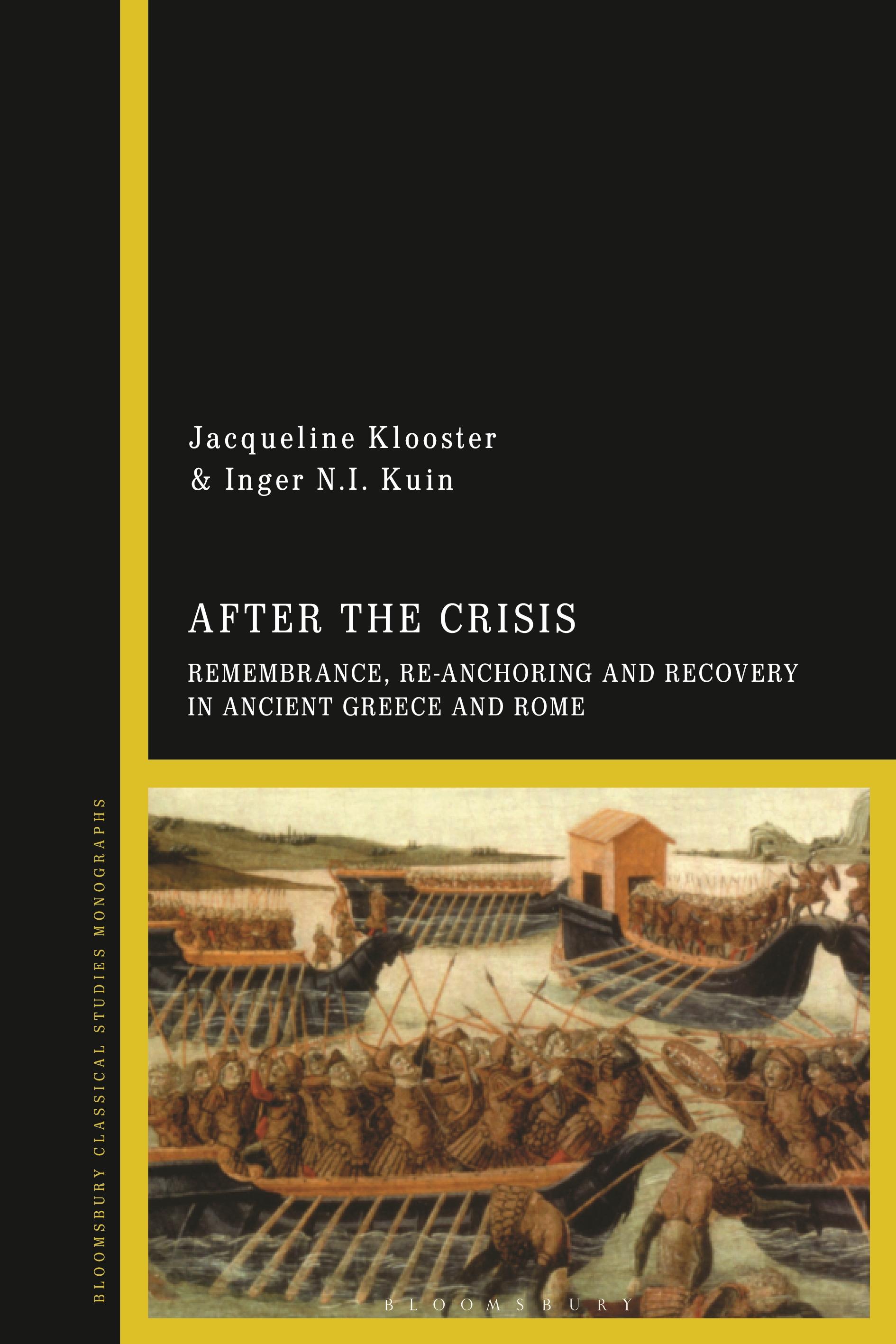
Crises resulting from war or other upheavals turn the lives of individuals upside down, and they can leave marks on a community for many years after the event. This volume aims to explore how such crises were remembered in the ancient world, and how communities reconstituted themselves after a crisis. Can crises serve as catalysts for innovation or change, and how does this work? What do crises reveal about the 'normality' against which they are defined and framed?
People living in post-crisis societies have no choice but to adapt to the changes caused by crisis. Such adaptation entails the question of how the relationship between the pre-crisis situation and the new status quo is constructed, and by whom. Due to the reduced possibility of using the immediate past, which is tainted by conflict and bad memories, it may involve revisions of historical narratives about communal pasts and identities, through the selection of new 'anchors', and sometimes even a discarding of the old ones.
Crises affect all areas of life, and crisis recovery likewise spans different spheres. This volume finds traces of such recovery strategies in texts as well as visual representations; in literary as well as in documentary texts; in official ideology as much as in subaltern responses. The contributors bring together the diverse testimonies for such ways of coping that have survived from antiquity.
People living in post-crisis societies have no choice but to adapt to the changes caused by crisis. Such adaptation entails the question of how the relationship between the pre-crisis situation and the new status quo is constructed, and by whom. Due to the reduced possibility of using the immediate past, which is tainted by conflict and bad memories, it may involve revisions of historical narratives about communal pasts and identities, through the selection of new 'anchors', and sometimes even a discarding of the old ones.
Crises affect all areas of life, and crisis recovery likewise spans different spheres. This volume finds traces of such recovery strategies in texts as well as visual representations; in literary as well as in documentary texts; in official ideology as much as in subaltern responses. The contributors bring together the diverse testimonies for such ways of coping that have survived from antiquity.
Sivuja: 280
Kategoria: Arkeologi & Antikvetenskap
e-ISBN: 9781350128576
Lähetyspaino: 1.2 kg
Toimitusaika: 1-2 päivää
Maksa helposti kortilla, Klarnalla, Apple Paylla tai Google Paylla. Etkö ole tyytyväinen? Sinulla on aina 14 päivän palautusoikeus. Lue lisää ehdoistamme. Jos sinulla on kysyttävää, lähetä meille sähköpostia osoitteeseen hello@memmo.org.
Memmo tekee opiskelusta helpompaa – missä päin maailmaa ikinä oletkin. Meillä yhdistät kurssikirjat ja fiksut opiskelutyökalut yhteen paikkaan: tiivistelmät, visat, podcastit ja muistikortit. Ja sitten Ted, opiskelukaverisi, joka vastaa kaikkeen, mitä ikinä mietitkin. Yli 50 000 opiskelijaa opiskelee jo täällä – rakennettu auttamaan sinua oppimaan nopeammin ja stressaamaan vähemmän.