
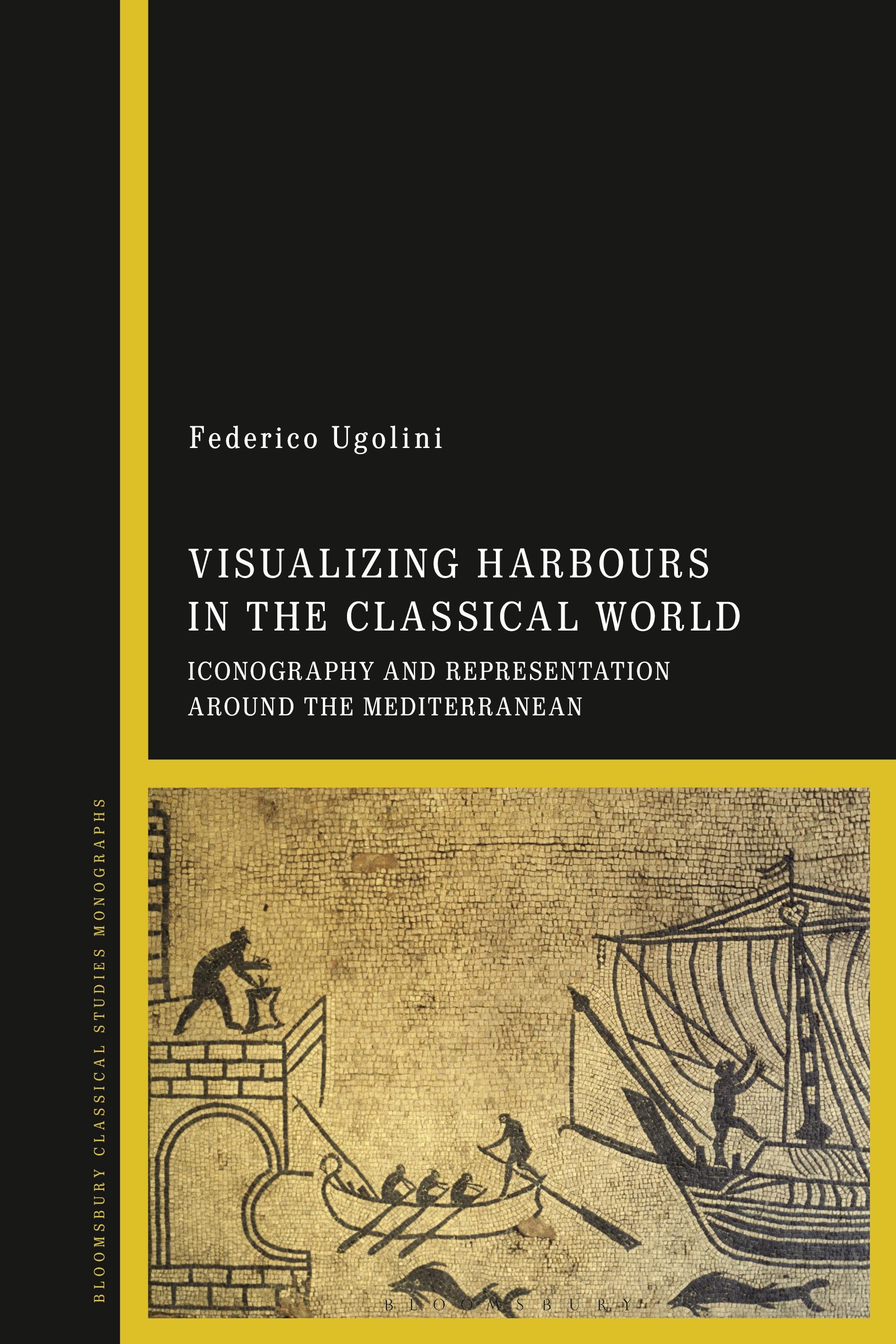
In recent years, there has been intense debate about the reality behind the depiction of maritime cityscapes, especially harbours. Visualizing Harbours in the Classical World argues that the available textual and iconographic evidence supports the argument that these representations have a symbolic, rather than literal, meaning and message, and moreover that the traditional view, that all these media represent the reality of the contemporary cityscapes, is often unrealistic. Bridging the gap between archaeological sciences and the humanities, it ably integrates iconographic materials, epigraphic sources, history and archaeology, along with visual culture.
Focusing on three main ancient ports – Alexandria, Rome and Leptis Magna – Federico Ugolini considers a range of issues around harbour iconography, from the triumphal imagery of monumental harbours and the symbolism of harbour images, their identification across the Mediterranean, and their symbolic, ideological and propagandistic messages, to the ways in which aspects of Imperial authority and control over the seas were expressed in the iconography of the Julio-Claudian, Trajan and Severii periods, how they reflected the repute, growth and power of the mercantile class during the Imperial era, and how the use of imagery reflected euergetism and paideia, which would inform the Roman audience about who had power over the sea.
Focusing on three main ancient ports – Alexandria, Rome and Leptis Magna – Federico Ugolini considers a range of issues around harbour iconography, from the triumphal imagery of monumental harbours and the symbolism of harbour images, their identification across the Mediterranean, and their symbolic, ideological and propagandistic messages, to the ways in which aspects of Imperial authority and control over the seas were expressed in the iconography of the Julio-Claudian, Trajan and Severii periods, how they reflected the repute, growth and power of the mercantile class during the Imperial era, and how the use of imagery reflected euergetism and paideia, which would inform the Roman audience about who had power over the sea.
Maksa helposti kortilla, Klarnalla, Apple Paylla tai Google Paylla. Etkö ole tyytyväinen? Sinulla on aina 14 päivän palautusoikeus. Lue lisää ehdoistamme. Jos sinulla on kysyttävää, lähetä meille sähköpostia osoitteeseen hello@memmo.org.
Memmo tekee opiskelusta helpompaa – missä päin maailmaa ikinä oletkin. Meillä yhdistät kurssikirjat ja fiksut opiskelutyökalut yhteen paikkaan: tiivistelmät, visat, podcastit ja muistikortit. Ja sitten Ted, opiskelukaverisi, joka vastaa kaikkeen, mitä ikinä mietitkin. Yli 50 000 opiskelijaa opiskelee jo täällä – rakennettu auttamaan sinua oppimaan nopeammin ja stressaamaan vähemmän.