
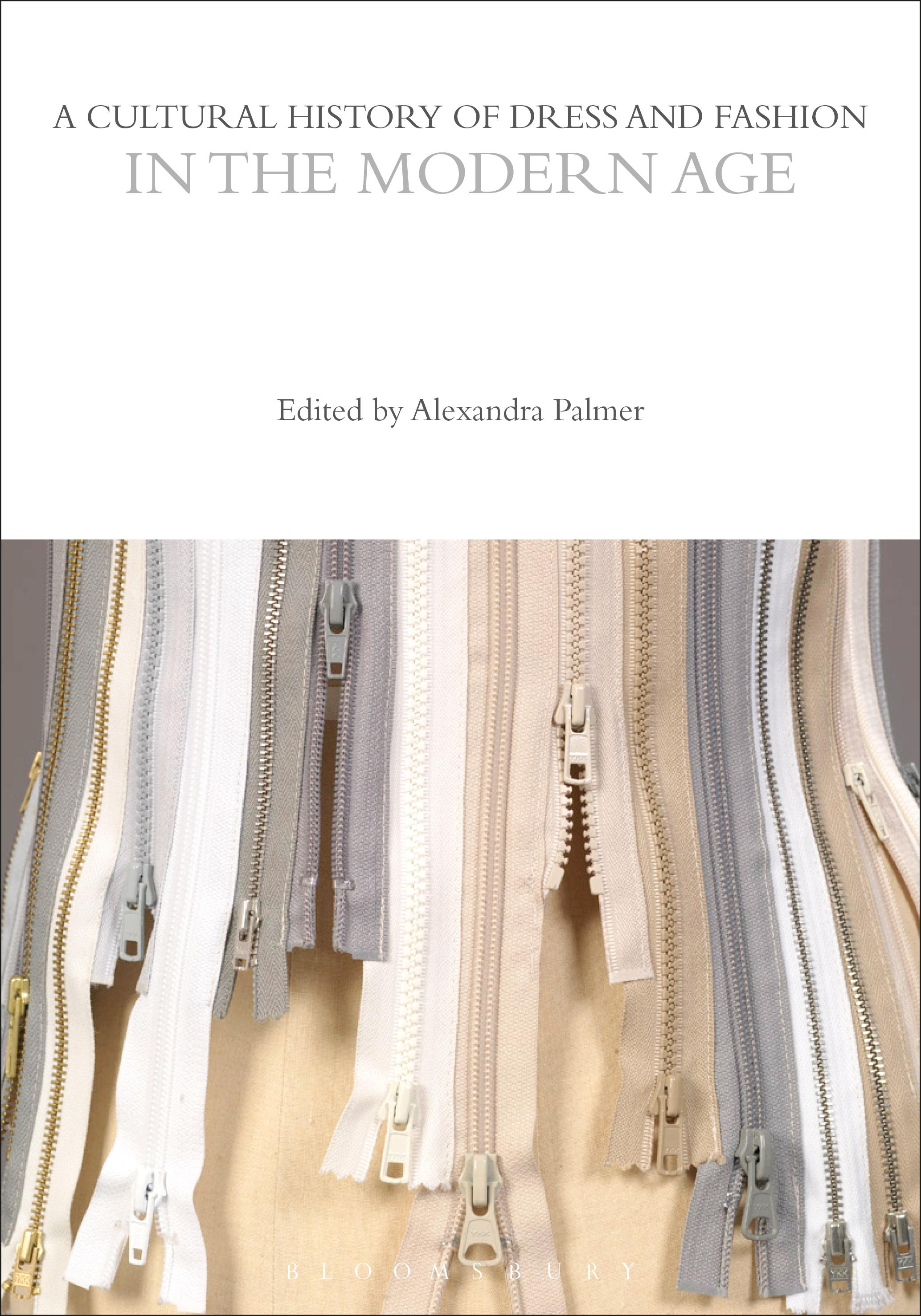
Over the last century there has been a complete transformation of the fashion system. The unitary top-down fashion cycle has been replaced by the pulsations of multiple and simultaneous styles, while the speed of global production and circulation has become ever faster and more complex. Running in tandem, the development of artificial fibres has revolutionized the composition of clothing, and the increased focus on youth, sexuality, and the body has radically changed its design. From the 1920s flapper dress to debates over the burkini, fashion has continued to be deeply involved in society's larger issues.
Drawing on a wealth of visual, textual and object sources and illustrated with 100 images, A Cultural History of Dress and Fashion in the Modern Age presents essays on textiles, production and distribution, the body, belief, gender and sexuality, status, ethnicity, and visual and literary representations to illustrate the diversity and cultural significance of dress and fashion in the period.
Drawing on a wealth of visual, textual and object sources and illustrated with 100 images, A Cultural History of Dress and Fashion in the Modern Age presents essays on textiles, production and distribution, the body, belief, gender and sexuality, status, ethnicity, and visual and literary representations to illustrate the diversity and cultural significance of dress and fashion in the period.
Maksa helposti kortilla, Klarnalla, Apple Paylla tai Google Paylla. Etkö ole tyytyväinen? Sinulla on aina 14 päivän palautusoikeus. Lue lisää ehdoistamme. Jos sinulla on kysyttävää, lähetä meille sähköpostia osoitteeseen hello@memmo.org.
Memmo tekee opiskelusta helpompaa – missä päin maailmaa ikinä oletkin. Meillä yhdistät kurssikirjat ja fiksut opiskelutyökalut yhteen paikkaan: tiivistelmät, visat, podcastit ja muistikortit. Ja sitten Ted, opiskelukaverisi, joka vastaa kaikkeen, mitä ikinä mietitkin. Yli 50 000 opiskelijaa opiskelee jo täällä – rakennettu auttamaan sinua oppimaan nopeammin ja stressaamaan vähemmän.