
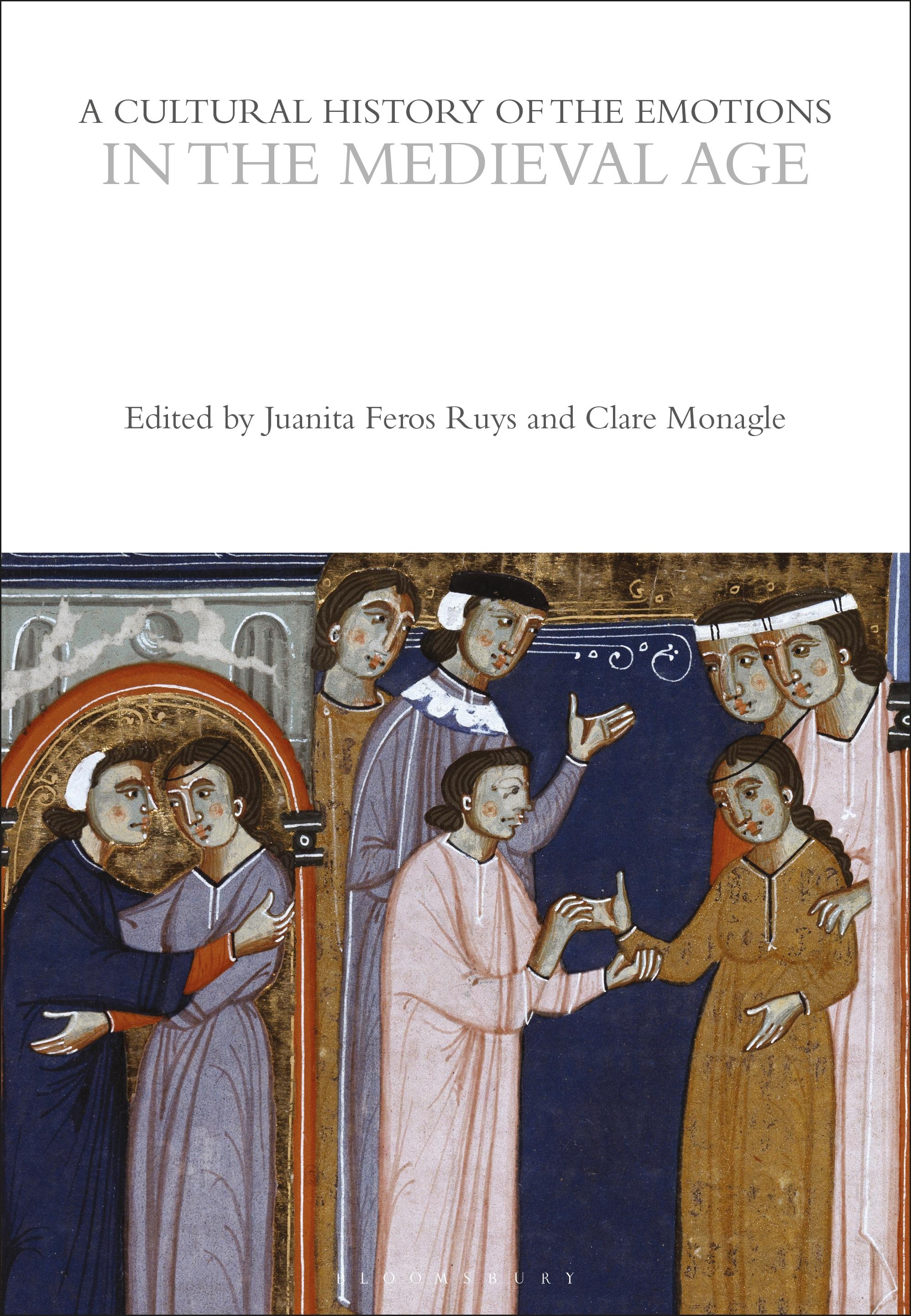
Our period opens at the end of the Roman Empire when intellectual currents are indebted to the Greek philosophical inheritance of Plato and Aristotle, as well as to a Romanized Stoicism. Into this mix entered the new, and from 313CE imperially sanctioned, religion of Christianity. In art, literature, music, and drama, we find an increasing emphasis on the arousal of individual emotions and their acceptance as a means towards devotion. In religion, we see a move from the ascetic regulation of emotions to the affective piety of the later medieval period that valued the believer's identification with the Passion of Christ and the sorrow of Mary. In science and medicine, the nature and causes of emotions, their role in constituting the human person, and their impact on the same became a subject of academic inquiry. Emotions also played an increasingly important public role, evidenced in populace-wide events such as conversion and the strategies of rulership. Between 350 and 1300, emotions were transformed from something to be transcended into a location for meditation upon what it means to be human.
Maksa helposti kortilla, Klarnalla, Apple Paylla tai Google Paylla. Etkö ole tyytyväinen? Sinulla on aina 14 päivän palautusoikeus. Lue lisää ehdoistamme. Jos sinulla on kysyttävää, lähetä meille sähköpostia osoitteeseen hello@memmo.org.
Memmo tekee opiskelusta helpompaa – missä päin maailmaa ikinä oletkin. Meillä yhdistät kurssikirjat ja fiksut opiskelutyökalut yhteen paikkaan: tiivistelmät, visat, podcastit ja muistikortit. Ja sitten Ted, opiskelukaverisi, joka vastaa kaikkeen, mitä ikinä mietitkin. Yli 50 000 opiskelijaa opiskelee jo täällä – rakennettu auttamaan sinua oppimaan nopeammin ja stressaamaan vähemmän.