
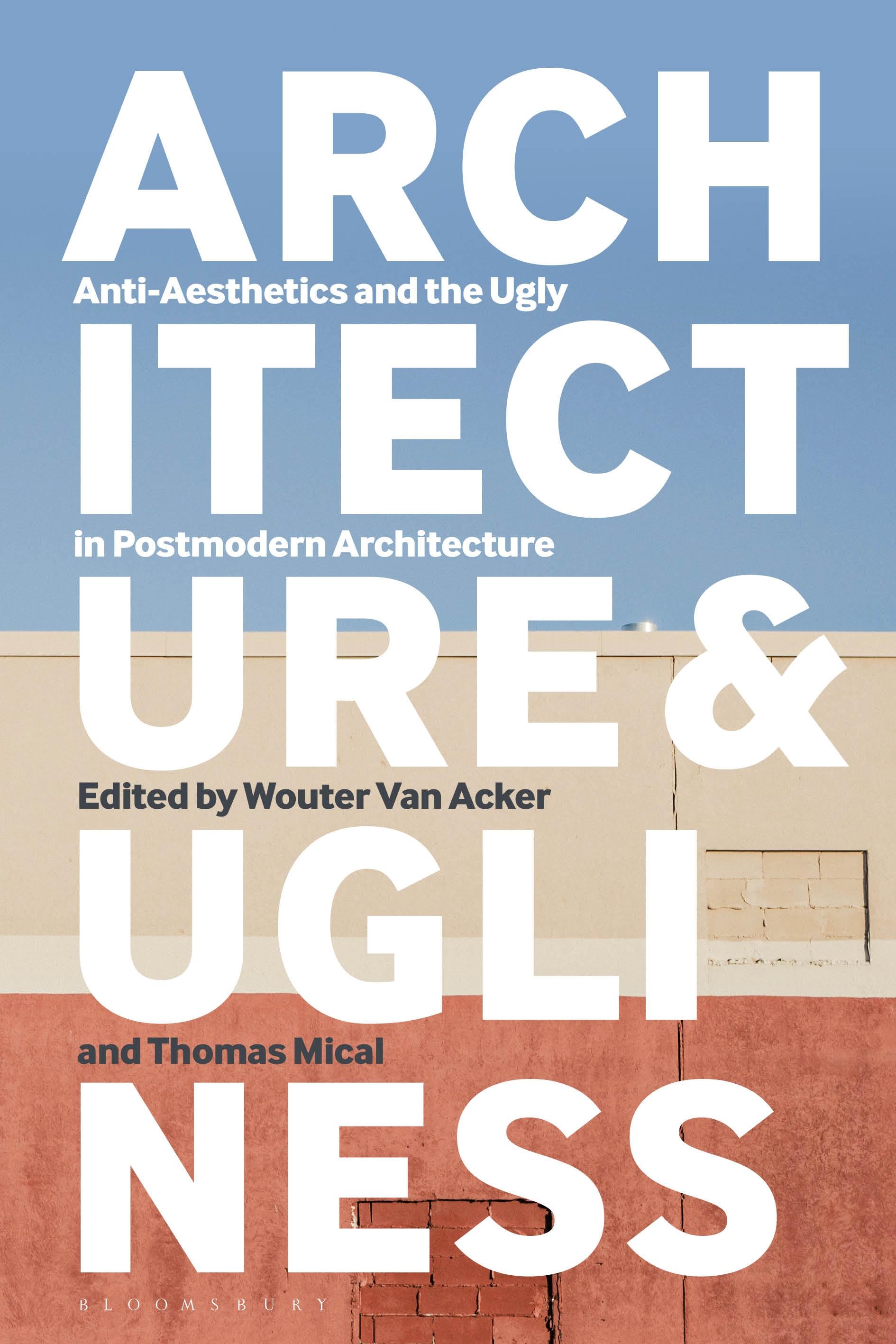
Whatever 'ugliness' is, it remains a problematic category in architectural aesthetics – alternately vilified and appropriated, used either to shock or to invert conventions of architecture.
This book presents sixteen new scholarly essays which rethink ugliness in recent architecture – from Brutalism to eclectic postmodern architectural productions – and together offer a diverse reappraisal of the history and theory of postmodern architecture and design. The essays address both broad theoretical questions on ugliness and postmodern aesthetics, as well as more specific analyses of significant architectural examples dating from the last decades of the twentieth century. The book attends to the diverse relations between the aesthetic register of ugliness and closely connected aesthetic concepts such as the monstrous, the ordinary, disgust, the excessive, the grotesque, the interesting, the impure and the sublime.
This volume does not simply document the history of a postmodern anti-aesthetic through case studies. Instead, it aims to shed light on aesthetic problems that have been largely overlooked in the agenda of architectural theory. This book answers in detail the questions: How did postmodern architects appropriate troublesome contradictions bound to the raw ugliness of the real? How have the ugly and the antiaesthetic been a productive force in postmodern architecture? How can ugliness be of value to architecture? And how can architecture make good use of ugliness?
This book presents sixteen new scholarly essays which rethink ugliness in recent architecture – from Brutalism to eclectic postmodern architectural productions – and together offer a diverse reappraisal of the history and theory of postmodern architecture and design. The essays address both broad theoretical questions on ugliness and postmodern aesthetics, as well as more specific analyses of significant architectural examples dating from the last decades of the twentieth century. The book attends to the diverse relations between the aesthetic register of ugliness and closely connected aesthetic concepts such as the monstrous, the ordinary, disgust, the excessive, the grotesque, the interesting, the impure and the sublime.
This volume does not simply document the history of a postmodern anti-aesthetic through case studies. Instead, it aims to shed light on aesthetic problems that have been largely overlooked in the agenda of architectural theory. This book answers in detail the questions: How did postmodern architects appropriate troublesome contradictions bound to the raw ugliness of the real? How have the ugly and the antiaesthetic been a productive force in postmodern architecture? How can ugliness be of value to architecture? And how can architecture make good use of ugliness?
Sivuja: 304
Kategoria: Arkitektur & Stadsplanering
e-ISBN: 9781350068254
Lähetyspaino: 1.2 kg
Toimitusaika: 1-2 päivää
Maksa helposti kortilla, Klarnalla, Apple Paylla tai Google Paylla. Etkö ole tyytyväinen? Sinulla on aina 14 päivän palautusoikeus. Lue lisää ehdoistamme. Jos sinulla on kysyttävää, lähetä meille sähköpostia osoitteeseen hello@memmo.org.
Memmo tekee opiskelusta helpompaa – missä päin maailmaa ikinä oletkin. Meillä yhdistät kurssikirjat ja fiksut opiskelutyökalut yhteen paikkaan: tiivistelmät, visat, podcastit ja muistikortit. Ja sitten Ted, opiskelukaverisi, joka vastaa kaikkeen, mitä ikinä mietitkin. Yli 50 000 opiskelijaa opiskelee jo täällä – rakennettu auttamaan sinua oppimaan nopeammin ja stressaamaan vähemmän.