
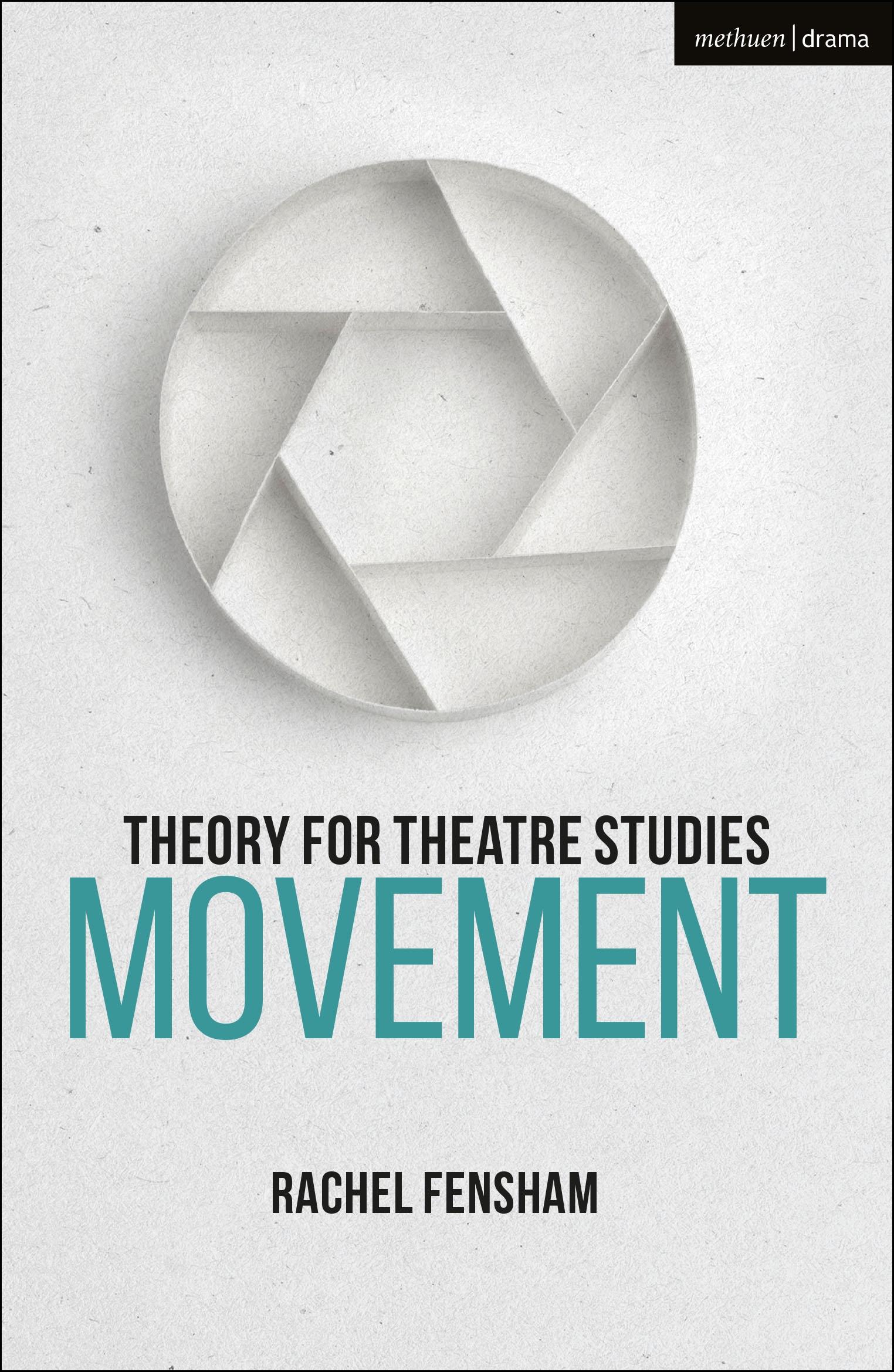
How do we define movement in performance? Who or what is being moved and how? And which movements are felt, observed, or studied, in theatre?
Part of the Theory for Theatre Studies series which introduces core theoretical concepts that underpin the discipline, Movement provides the first overview of relevant critical theory for students and researchers in theatre and performance studies. Exploring areas such as vitality, plasticity, gesture, effort and rhythm, it opens up the study of theatrical production, live art, and intercultural performance to socio-political conceptions of movement as both practice and concept. It covers movement training systems and considers how they have been utilized in key works of the 20th and 21st centuries. The final section traces the convergence of movement in theatre with other media and digital technologies.
A wide range of in-depth case studies helps to equip readers to explore new methodologies and approaches to movement as a performance concept. These include analysis of Satoshi Miyagi's production of Sophocles' Antigone (2017), Thomas Ostermeier's production of Ibsen's Hedda Gabler (2008), the Berliner Ensemble's Mother Courage (1949), The Constant Prince (1965) performed by Ryzsard Cieslak, and the National Theatre's production of War Horse (2007). The final section considers a suite of concepts that shape postdramatic and intermedial theatre from China, Germany-Bangladesh, Australia, the United States, and United Kingdom. The volume is supported by further online resources including video material, questions, and exercises.
Part of the Theory for Theatre Studies series which introduces core theoretical concepts that underpin the discipline, Movement provides the first overview of relevant critical theory for students and researchers in theatre and performance studies. Exploring areas such as vitality, plasticity, gesture, effort and rhythm, it opens up the study of theatrical production, live art, and intercultural performance to socio-political conceptions of movement as both practice and concept. It covers movement training systems and considers how they have been utilized in key works of the 20th and 21st centuries. The final section traces the convergence of movement in theatre with other media and digital technologies.
A wide range of in-depth case studies helps to equip readers to explore new methodologies and approaches to movement as a performance concept. These include analysis of Satoshi Miyagi's production of Sophocles' Antigone (2017), Thomas Ostermeier's production of Ibsen's Hedda Gabler (2008), the Berliner Ensemble's Mother Courage (1949), The Constant Prince (1965) performed by Ryzsard Cieslak, and the National Theatre's production of War Horse (2007). The final section considers a suite of concepts that shape postdramatic and intermedial theatre from China, Germany-Bangladesh, Australia, the United States, and United Kingdom. The volume is supported by further online resources including video material, questions, and exercises.
Sivuja: 144
Kategoria: Drama, Teater & Scenkonst
e-ISBN: 9781350026384
Lähetyspaino: 1.2 kg
Toimitusaika: 1-2 päivää
Maksa helposti kortilla, Klarnalla, Apple Paylla tai Google Paylla. Etkö ole tyytyväinen? Sinulla on aina 14 päivän palautusoikeus. Lue lisää ehdoistamme. Jos sinulla on kysyttävää, lähetä meille sähköpostia osoitteeseen hello@memmo.org.
Memmo tekee opiskelusta helpompaa – missä päin maailmaa ikinä oletkin. Meillä yhdistät kurssikirjat ja fiksut opiskelutyökalut yhteen paikkaan: tiivistelmät, visat, podcastit ja muistikortit. Ja sitten Ted, opiskelukaverisi, joka vastaa kaikkeen, mitä ikinä mietitkin. Yli 50 000 opiskelijaa opiskelee jo täällä – rakennettu auttamaan sinua oppimaan nopeammin ja stressaamaan vähemmän.