
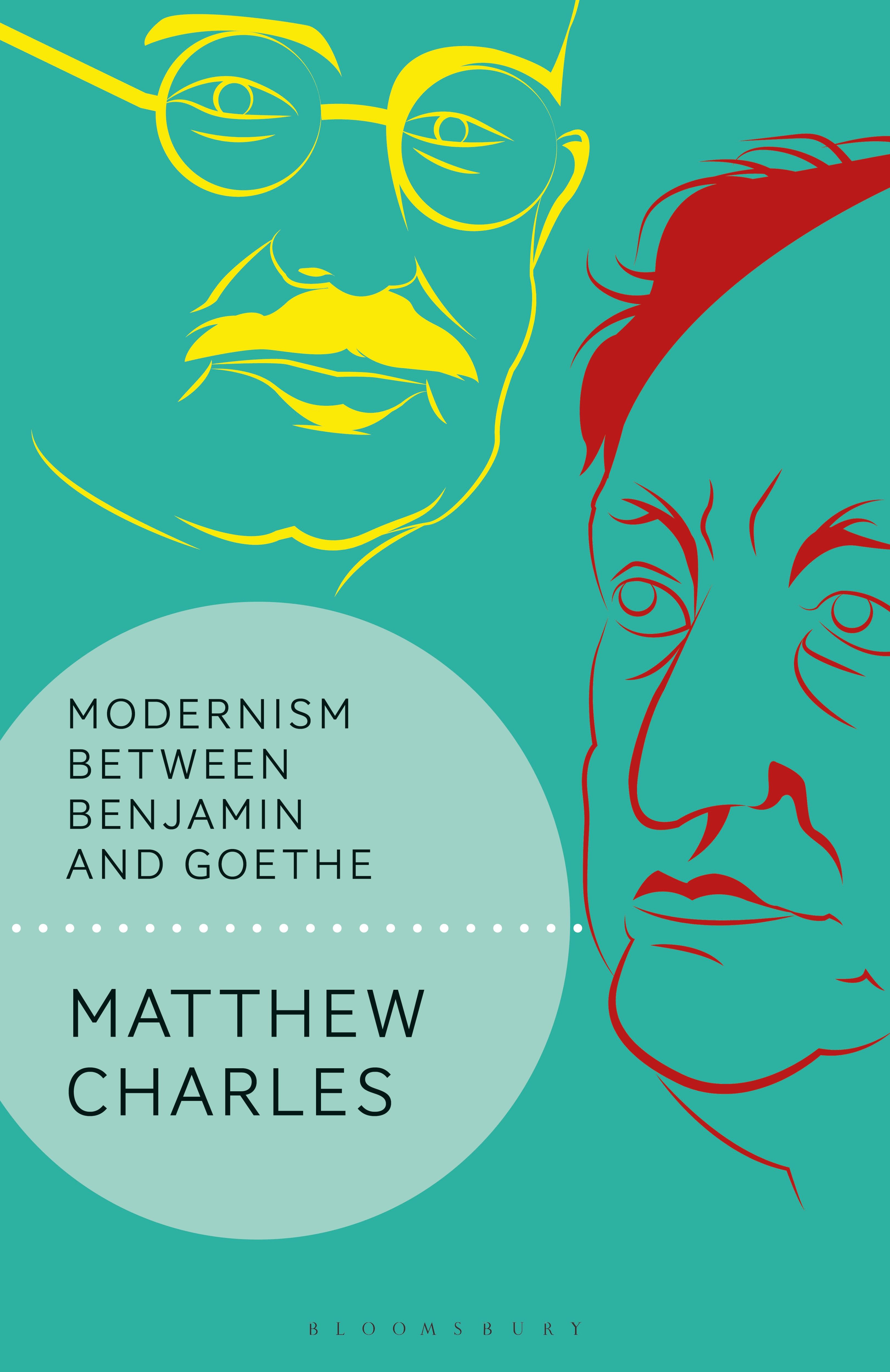
Widely regarded as one of the foremost cultural critics of the last century, Walter Benjamin's relation to Modernism has largely been understood in the context of his reception of the aesthetic theories of Early German Romanticism and his associated interest in avant-garde Surrealism. But this Romantic understanding only gives half the picture.
Running through Benjamin's thought is also a critique of Romanticism, developed in conjunction with a positive engagement with the philosophical, artistic and historical writings of J. W. von Goethe. In demonstrating the significance of these Goethean elements, this book challenges the dominant understanding of Benjamin's philosophy as essentially Romantic and instead proposes that Goethe's Classicism, conceived as the counterpoint to Romanticism, permits a corrective to the latter's deficiencies. Benjamin's Modernist concept of criticism, it is argued, is constituted in the movement between these polarities of Romanticism and Classicism.
Conversely, placing Goethe's Classicism in relation to Benjamin's practice of literary criticism reveals historical tensions with Romanticism that constitute the untimely – indeed, it will be argued, cinematic – Modernism of his work. Adopting a transcritical approach, this book alternates between Benjamin and Goethe in relation to the experiences of colour, language and technology, assembling a constellation of philosophical and artistic figures between them, including the writings of Kant, Nietzsche, Cohen, Deleuze, Koselleck, Klages, and the work of Grünewald, Marées, Klee, Turner, Hulme, Eisenstein, Tretyakov, and Murnau.
Running through Benjamin's thought is also a critique of Romanticism, developed in conjunction with a positive engagement with the philosophical, artistic and historical writings of J. W. von Goethe. In demonstrating the significance of these Goethean elements, this book challenges the dominant understanding of Benjamin's philosophy as essentially Romantic and instead proposes that Goethe's Classicism, conceived as the counterpoint to Romanticism, permits a corrective to the latter's deficiencies. Benjamin's Modernist concept of criticism, it is argued, is constituted in the movement between these polarities of Romanticism and Classicism.
Conversely, placing Goethe's Classicism in relation to Benjamin's practice of literary criticism reveals historical tensions with Romanticism that constitute the untimely – indeed, it will be argued, cinematic – Modernism of his work. Adopting a transcritical approach, this book alternates between Benjamin and Goethe in relation to the experiences of colour, language and technology, assembling a constellation of philosophical and artistic figures between them, including the writings of Kant, Nietzsche, Cohen, Deleuze, Koselleck, Klages, and the work of Grünewald, Marées, Klee, Turner, Hulme, Eisenstein, Tretyakov, and Murnau.
Sivuja: 240
Kategoria: Litteraturvetenskap & Teori
e-ISBN: 9781350013957
Lähetyspaino: 1.2 kg
Toimitusaika: 1-2 päivää
Maksa helposti kortilla, Klarnalla, Apple Paylla tai Google Paylla. Etkö ole tyytyväinen? Sinulla on aina 14 päivän palautusoikeus. Lue lisää ehdoistamme. Jos sinulla on kysyttävää, lähetä meille sähköpostia osoitteeseen hello@memmo.org.
Memmo tekee opiskelusta helpompaa – missä päin maailmaa ikinä oletkin. Meillä yhdistät kurssikirjat ja fiksut opiskelutyökalut yhteen paikkaan: tiivistelmät, visat, podcastit ja muistikortit. Ja sitten Ted, opiskelukaverisi, joka vastaa kaikkeen, mitä ikinä mietitkin. Yli 50 000 opiskelijaa opiskelee jo täällä – rakennettu auttamaan sinua oppimaan nopeammin ja stressaamaan vähemmän.