
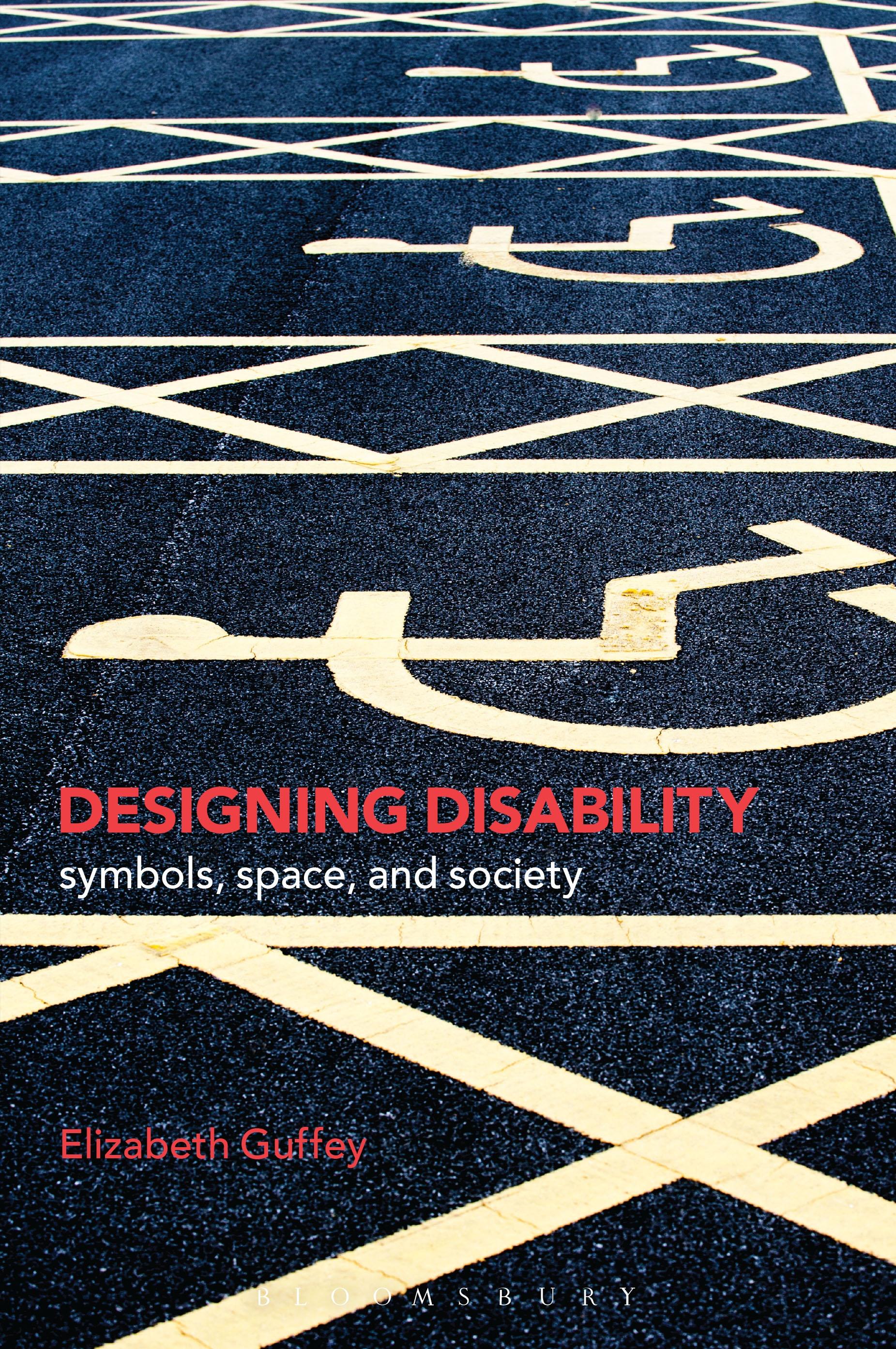
Designing Disability traces the emergence of an idea and an ideal – physical access for the disabled – through the evolution of the iconic International Symbol of Access (ISA). The book draws on design history, material culture and recent critical disability studies to examine not only the development of a design icon, but also the cultural history surrounding it.
Infirmity and illness may be seen as part of human experience, but 'disability' is a social construct, a way of thinking about and responding to a natural human condition. Elizabeth Guffey's highly original and wide-ranging study considers the period both before and after the introduction of the ISA, tracing the design history of the wheelchair, a product which revolutionised the mobility needs of many disabled people from the 1930s onwards. She also examines the rise of 'barrier-free architecture' in the reception of the ISA, and explores how the symbol became widely adopted and even a mark of identity for some, especially within the Disability Rights Movement.
Yet despite the social progress which is inextricably linked to the ISA, a growing debate has unfurled around the symbol and its meanings. The most vigorous critiques today have involved guerrilla art, graffiti and studio practice, reflecting new challenges to the relationship between design and disability in the twenty-first century.
Infirmity and illness may be seen as part of human experience, but 'disability' is a social construct, a way of thinking about and responding to a natural human condition. Elizabeth Guffey's highly original and wide-ranging study considers the period both before and after the introduction of the ISA, tracing the design history of the wheelchair, a product which revolutionised the mobility needs of many disabled people from the 1930s onwards. She also examines the rise of 'barrier-free architecture' in the reception of the ISA, and explores how the symbol became widely adopted and even a mark of identity for some, especially within the Disability Rights Movement.
Yet despite the social progress which is inextricably linked to the ISA, a growing debate has unfurled around the symbol and its meanings. The most vigorous critiques today have involved guerrilla art, graffiti and studio practice, reflecting new challenges to the relationship between design and disability in the twenty-first century.
Sivuja: 240
Kategoria: Konst, Design & Fotografi
e-ISBN: 9781350004269
Lähetyspaino: 1.2 kg
Toimitusaika: 1-2 päivää
Maksa helposti kortilla, Klarnalla, Apple Paylla tai Google Paylla. Etkö ole tyytyväinen? Sinulla on aina 14 päivän palautusoikeus. Lue lisää ehdoistamme. Jos sinulla on kysyttävää, lähetä meille sähköpostia osoitteeseen hello@memmo.org.
Memmo tekee opiskelusta helpompaa – missä päin maailmaa ikinä oletkin. Meillä yhdistät kurssikirjat ja fiksut opiskelutyökalut yhteen paikkaan: tiivistelmät, visat, podcastit ja muistikortit. Ja sitten Ted, opiskelukaverisi, joka vastaa kaikkeen, mitä ikinä mietitkin. Yli 50 000 opiskelijaa opiskelee jo täällä – rakennettu auttamaan sinua oppimaan nopeammin ja stressaamaan vähemmän.