
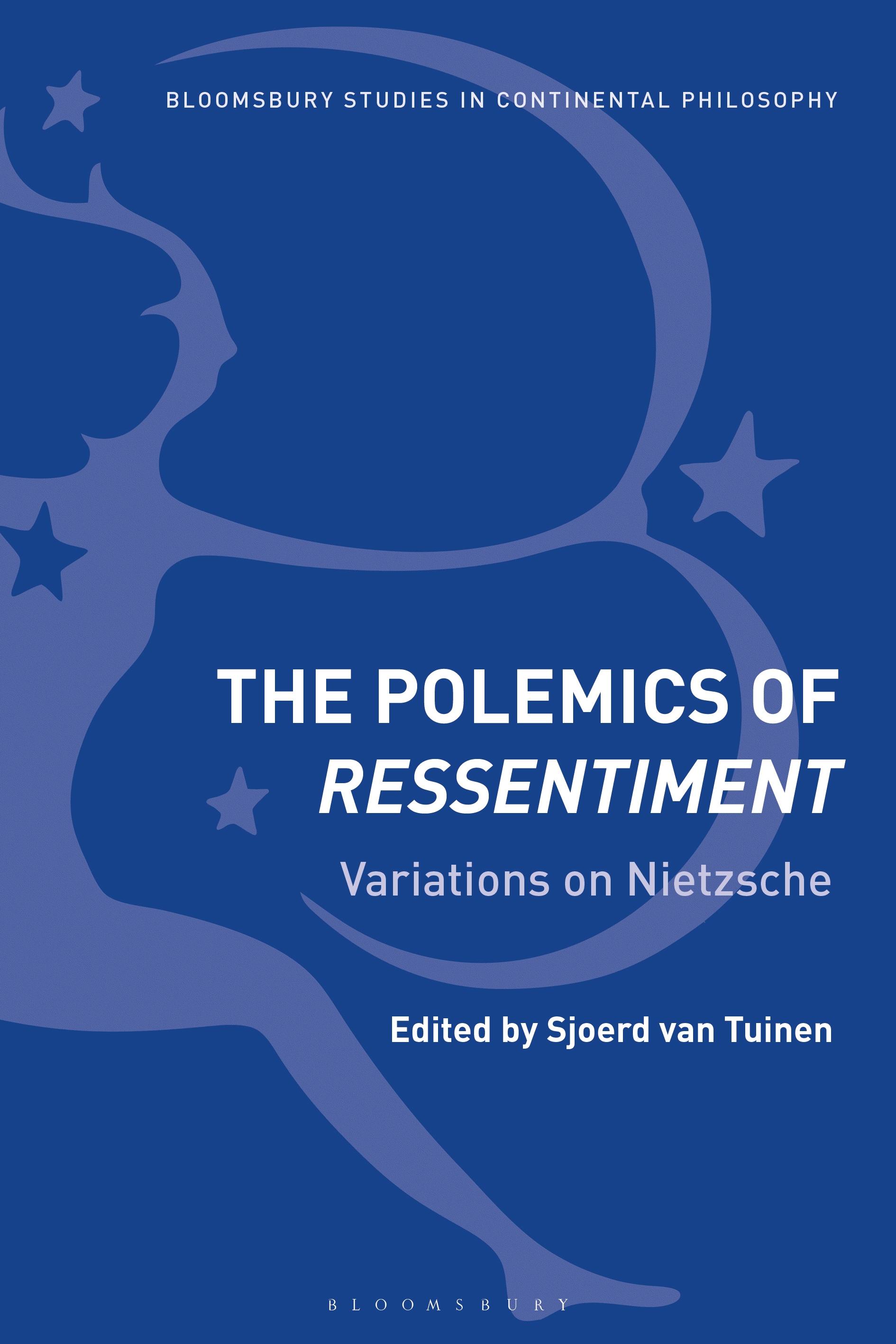
The rise of populism, cynicism, fanaticism and fundamentalism challenges us to reconsider the problem of ressentiment. Characterized by Nietzsche as the self-poisoning of the will through internalising trauma in the form of a postponed and imaginary revenge, the concept of ressentiment is making a comeback in political
discourse.
Unlike resentment, the feeling of injustice, ressentiment is an intrinsically polemical notion. It implies a political drama in which there is no inherent good sense in its application and no universal criterion. Drawing on psychoanalysis, political theory, media theory and philosophy, this book examines a wide variety of ideological contexts, offering an examination of the divergent senses in which the concept of ressentiment is used today.
discourse.
Unlike resentment, the feeling of injustice, ressentiment is an intrinsically polemical notion. It implies a political drama in which there is no inherent good sense in its application and no universal criterion. Drawing on psychoanalysis, political theory, media theory and philosophy, this book examines a wide variety of ideological contexts, offering an examination of the divergent senses in which the concept of ressentiment is used today.
Maksa helposti kortilla, Klarnalla, Apple Paylla tai Google Paylla. Etkö ole tyytyväinen? Sinulla on aina 14 päivän palautusoikeus. Lue lisää ehdoistamme. Jos sinulla on kysyttävää, lähetä meille sähköpostia osoitteeseen hello@memmo.org.
Memmo tekee opiskelusta helpompaa – missä päin maailmaa ikinä oletkin. Meillä yhdistät kurssikirjat ja fiksut opiskelutyökalut yhteen paikkaan: tiivistelmät, visat, podcastit ja muistikortit. Ja sitten Ted, opiskelukaverisi, joka vastaa kaikkeen, mitä ikinä mietitkin. Yli 50 000 opiskelijaa opiskelee jo täällä – rakennettu auttamaan sinua oppimaan nopeammin ja stressaamaan vähemmän.