
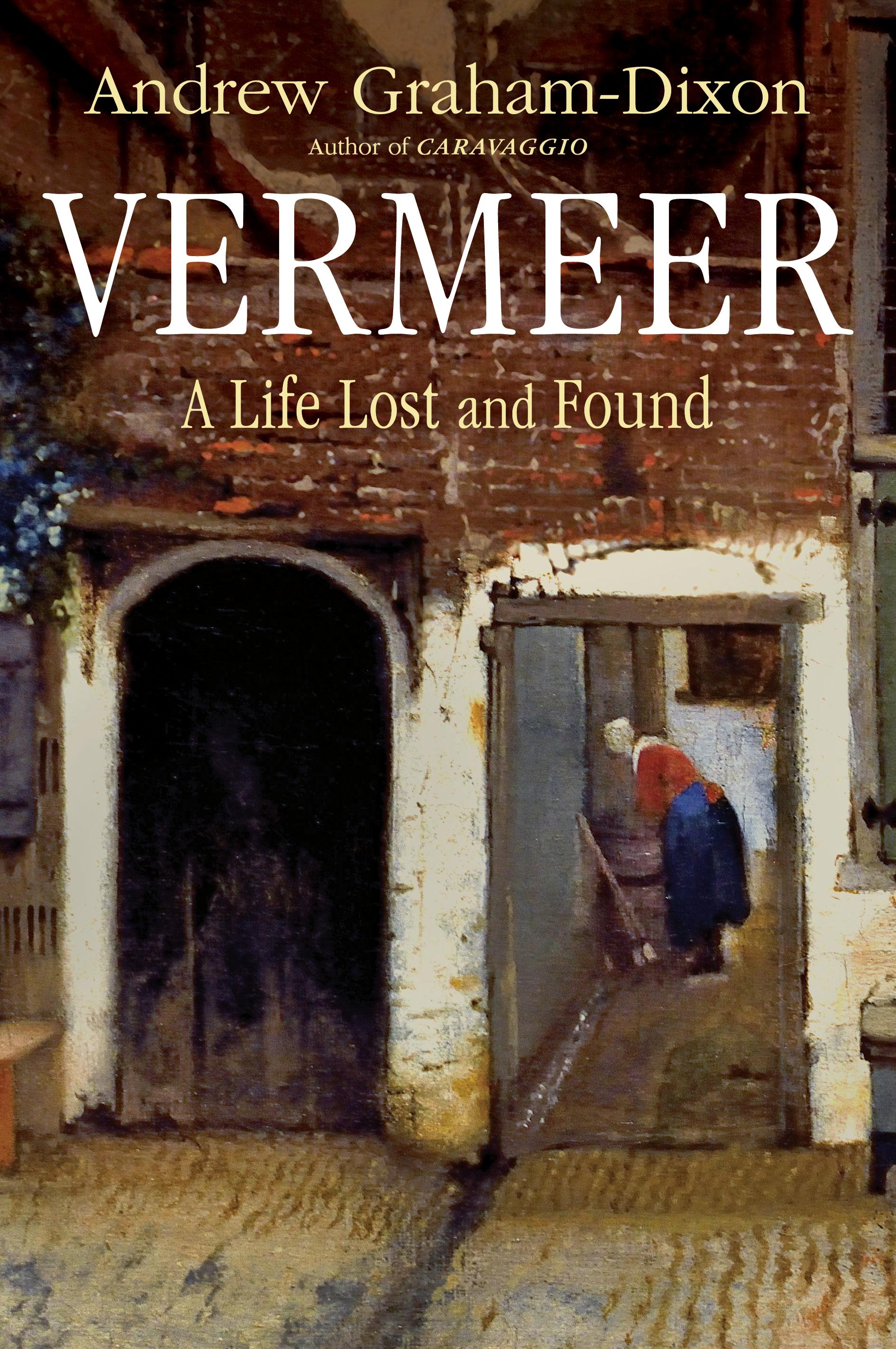
This revelatory biography persuasively addresses the two great unresolved questions about Vermeer: why did he paint his pictures, and what do they mean?
One spring day in 1683, a notary’s clerk in Delft entered the home of the late Magdalena Pieters van Ruijven and stumbled upon one of the wonders of the seventeenth-century world: twenty paintings by Johannes Vermeer. Rather than dispel the mysteries of Vermeer’s life, this discovery merely gave rise to more questions: How had this one Dutchwoman come to possess the majority of the master’s work? And why have these images—among the most beautiful, even sublime, in the history of art—defied explanation for so long?
Following new leads and drawing on freshly uncovered evidence from Dutch archives, acclaimed art historian Andrew Graham-Dixon fills these long-standing gaps in art history, presenting a dramatic and transformative new interpretation of Vermeer’s life and work. Dixon considers Vermeer holistically, placing him in his complex historical, social, religious, political, and artistic context in order to understand what spaces he occupied in his life and how the texture of these spaces inspired his paintings and distinguished him from his artistic contemporaries. Dixon also interrogates the nature of Vermeer’s relationship with the Van Ruijven family, which was unlike any other known relationship in that time period, and discusses how this dynamic shaped his artistic practice.
Rich with piercingly direct descriptions of Vermeer’s paintings, Graham-Dixon’s biography is full of revelations. It upends the master’s enigmatic reputation and depicts him instead as a pioneer of the early Enlightenment, a pacifist who was deeply affected by the wars and religious conflicts of the Dutch Republic and allied to a radical movement driven underground by persecution. In Vermeer: A Life Lost and Found, Dixon does what countless art historians and scholars before him failed to: he brings Johannes Vermeer, renowned for his use of chiaroscuro, out of the shadows and into the light.
Maksa helposti kortilla, Klarnalla, Apple Paylla tai Google Paylla. Etkö ole tyytyväinen? Sinulla on aina 14 päivän palautusoikeus. Lue lisää ehdoistamme. Jos sinulla on kysyttävää, lähetä meille sähköpostia osoitteeseen hello@memmo.org.
Memmo tekee opiskelusta helpompaa – missä päin maailmaa ikinä oletkin. Meillä yhdistät kurssikirjat ja fiksut opiskelutyökalut yhteen paikkaan: tiivistelmät, visat, podcastit ja muistikortit. Ja sitten Ted, opiskelukaverisi, joka vastaa kaikkeen, mitä ikinä mietitkin. Yli 50 000 opiskelijaa opiskelee jo täällä – rakennettu auttamaan sinua oppimaan nopeammin ja stressaamaan vähemmän.