
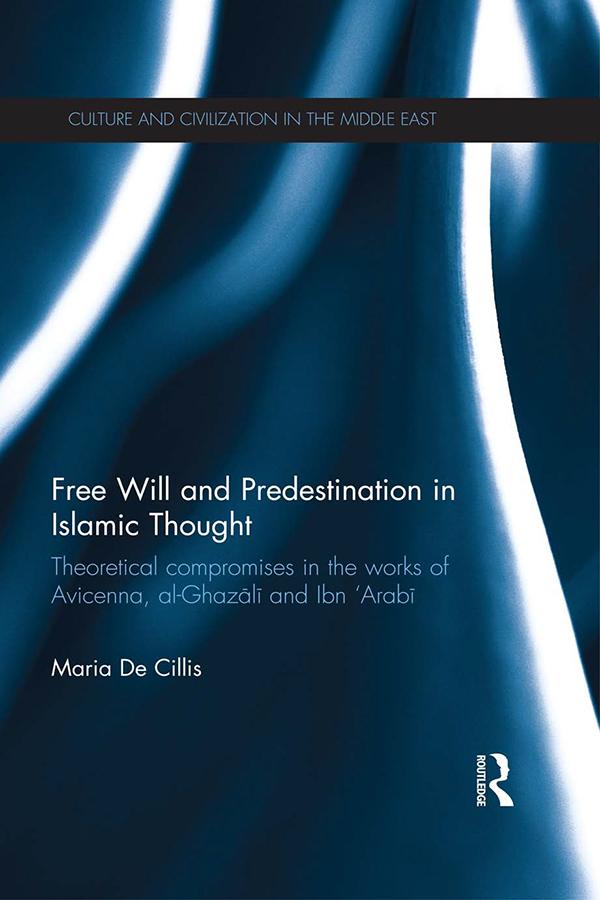
The subject of "human free-will" versus "divine predestination" is one of the most contentious topics in classical Islamic thought. By focusing on a theme of central importance to any philosophy of religion, and to Islam in particular, this book offers a critical study of the intellectual contributions offered to this discourse by three key medieval Islamic thinkers: Avicenna, al-Ghāzālī and Ibn ʿArabī.
Through investigation of primary sources, Free Will and Predestination in Islamic Thought establishes the historical, political and intellectual circumstances which prompted Avicenna, al-Ghāzālī and Ibn ʿArabī’s attempts at harmonization. By analysing the theoretical and linguistic ‘techniques’ which were employed to convey these endeavours, this book demonstrates that the three individuals were committed to compromise between philosophical, theological and mystical outlooks.
Arguing that the three scholars’ treatments of the so-called qaḍā wa’l-qadar (decree and destiny) and ikhtiyār (free-will) issues were innovative, influential and fundamentally more complex than hitherto recognized, this book contributes to a fuller understanding of Islamic intellectual history and culture and will be useful to researchers interested in Islamic Studies, Religion and Islamic Mysticism.
Maksa helposti kortilla, Klarnalla, Apple Paylla tai Google Paylla. Etkö ole tyytyväinen? Sinulla on aina 14 päivän palautusoikeus. Lue lisää ehdoistamme. Jos sinulla on kysyttävää, lähetä meille sähköpostia osoitteeseen hello@memmo.org.
Memmo tekee opiskelusta helpompaa – missä päin maailmaa ikinä oletkin. Meillä yhdistät kurssikirjat ja fiksut opiskelutyökalut yhteen paikkaan: tiivistelmät, visat, podcastit ja muistikortit. Ja sitten Ted, opiskelukaverisi, joka vastaa kaikkeen, mitä ikinä mietitkin. Yli 50 000 opiskelijaa opiskelee jo täällä – rakennettu auttamaan sinua oppimaan nopeammin ja stressaamaan vähemmän.