
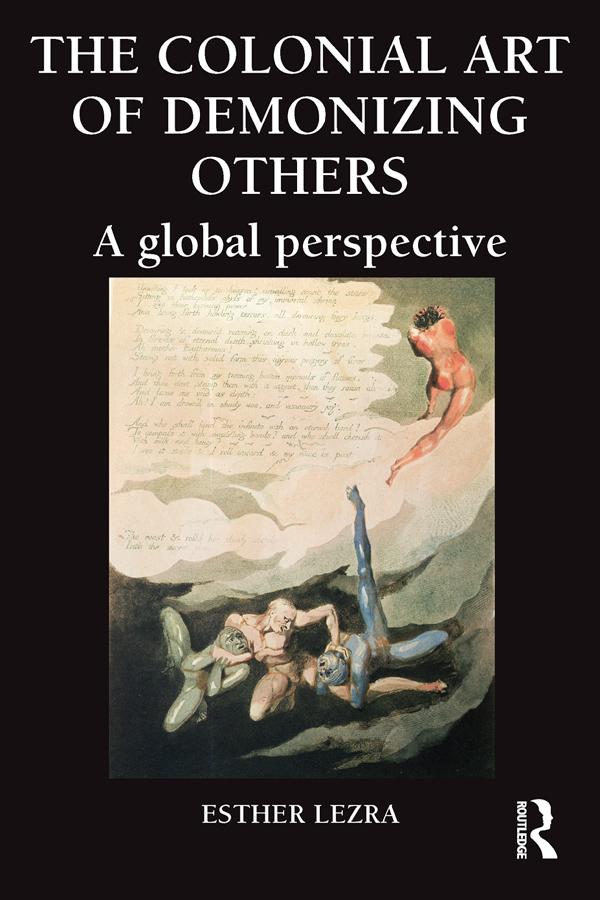
The Colonial Art of Demonizing Others examines European mistranslations and misrepresentations of black freedom dreams and self-activity as monstrous in the period of modern imperial consolidation –roughly from 1750 to 1848.
This book argues that Europe’s archives of self-understanding are haunted by the traces of Black radical resistance. Just as Europe’s economy came to depend upon the raw materials, markets, and labor it secured from the colonies, European culture came to be based on fantasies and phobias derived from the unruly and unmanageable aftershocks of colonial violence and counter-insurgency. Rather than assert that European nationalist and abolitionist discourses are on the side of emancipatory movements, the book shows the limits of the promise of that discourse, and the continuation of those limitations that makes the continued pursuit of that promise a questionable activity. This book does not wish to salvage the emancipatory promises of European discourse, but considers the more difficult and uncomfortable question of why emancipatory movements represented the struggles of anticolonial and radical blackness the way they did.
The Colonial Art of Demonizing Others privileges the political reading not only of literary texts but also of historical documents and visual culture.
Maksa helposti kortilla, Klarnalla, Apple Paylla tai Google Paylla. Etkö ole tyytyväinen? Sinulla on aina 14 päivän palautusoikeus. Lue lisää ehdoistamme. Jos sinulla on kysyttävää, lähetä meille sähköpostia osoitteeseen hello@memmo.org.
Memmo tekee opiskelusta helpompaa – missä päin maailmaa ikinä oletkin. Meillä yhdistät kurssikirjat ja fiksut opiskelutyökalut yhteen paikkaan: tiivistelmät, visat, podcastit ja muistikortit. Ja sitten Ted, opiskelukaverisi, joka vastaa kaikkeen, mitä ikinä mietitkin. Yli 50 000 opiskelijaa opiskelee jo täällä – rakennettu auttamaan sinua oppimaan nopeammin ja stressaamaan vähemmän.