
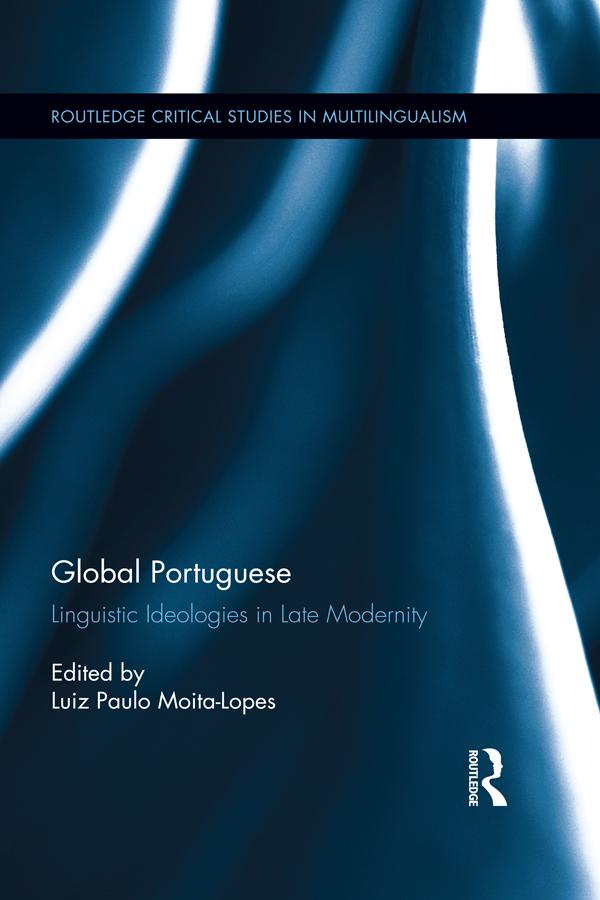
This book aims at deconstructing and problematizing linguistic ideologies related to Portuguese in late modernity and questioning the theoretical presuppositions which have led us to call Portuguese ‘a language.’ Such an endeavor is crucial when we know that Portuguese is a language which is increasingly internationalized, used as the official language in four continents (in ten countries) and which has come to play a relevant role in the so-called linguistic market on the basis of the geopolitical transformations in a multipolar world. The book covers a wide range of social, political and historical contexts in which ‘Portuguese’ is used (in Brazil, Canada, East-Timor, England, Portugal, Mozambique and Uruguay), and considers diverse linguistic practices. Through this critique, contributors chart new directions for research on language ideologies and language practices (including research related to Portuguese and to other ‘languages’) and consider ways of developing new conceptual compasses that are better attuned to the sociolinguistic realities of the late modern era, in which people, texts and languages are increasingly in movement through national borders and those of digital networks of communication.
Maksa helposti kortilla, Klarnalla, Apple Paylla tai Google Paylla. Etkö ole tyytyväinen? Sinulla on aina 14 päivän palautusoikeus. Lue lisää ehdoistamme. Jos sinulla on kysyttävää, lähetä meille sähköpostia osoitteeseen hello@memmo.org.
Memmo tekee opiskelusta helpompaa – missä päin maailmaa ikinä oletkin. Meillä yhdistät kurssikirjat ja fiksut opiskelutyökalut yhteen paikkaan: tiivistelmät, visat, podcastit ja muistikortit. Ja sitten Ted, opiskelukaverisi, joka vastaa kaikkeen, mitä ikinä mietitkin. Yli 50 000 opiskelijaa opiskelee jo täällä – rakennettu auttamaan sinua oppimaan nopeammin ja stressaamaan vähemmän.