
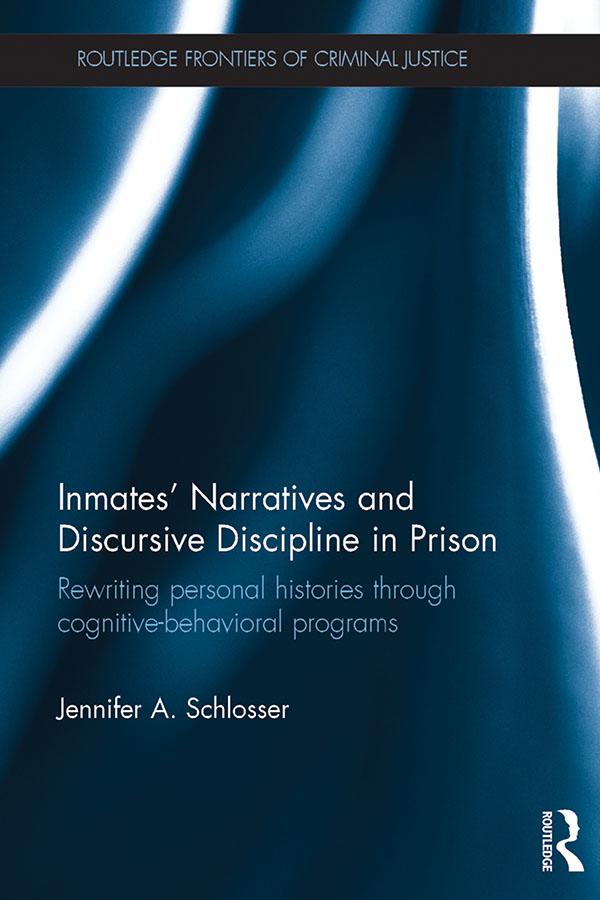
The question of ‘what works’ in offender treatment has dominated the field of prisoner re-entry and recidivism research for the last thirty years. One of the primary ways the criminal justice system tries to reduce the rates of recidivism among offenders is through the use of cognitive behavioural programs (CBP) as in-prison intervention strategies. The emphasis for these programs is on the idea that inmates are in prison because they made poor choices and bad decisions. Inmates’ thinking is characterized as flawed and the purpose of the program is to teach them to think and act in socially appropriate ways so they will be less inclined to return to prison after their release.
This book delves into the heart of one such cognitive behavioural programme, examines its inner workings, its effects on inmates’ narrated experience and considers what happens when a CBP of substandard quality and integrity is used as a gateway for inmates’ release.
Based on original empirical research, this book provides realistic suggestions for improving policy, for reforming current in-prison programs engaging in problematic practices and for instituting alternatives that take the needs of the inmates into greater account. This book is essential reading for students and academics engaged in the study of sociology, criminal justice, prisons, social policy, sentencing and punishment.
Maksa helposti kortilla, Klarnalla, Apple Paylla tai Google Paylla. Etkö ole tyytyväinen? Sinulla on aina 14 päivän palautusoikeus. Lue lisää ehdoistamme. Jos sinulla on kysyttävää, lähetä meille sähköpostia osoitteeseen hello@memmo.org.
Memmo tekee opiskelusta helpompaa – missä päin maailmaa ikinä oletkin. Meillä yhdistät kurssikirjat ja fiksut opiskelutyökalut yhteen paikkaan: tiivistelmät, visat, podcastit ja muistikortit. Ja sitten Ted, opiskelukaverisi, joka vastaa kaikkeen, mitä ikinä mietitkin. Yli 50 000 opiskelijaa opiskelee jo täällä – rakennettu auttamaan sinua oppimaan nopeammin ja stressaamaan vähemmän.