
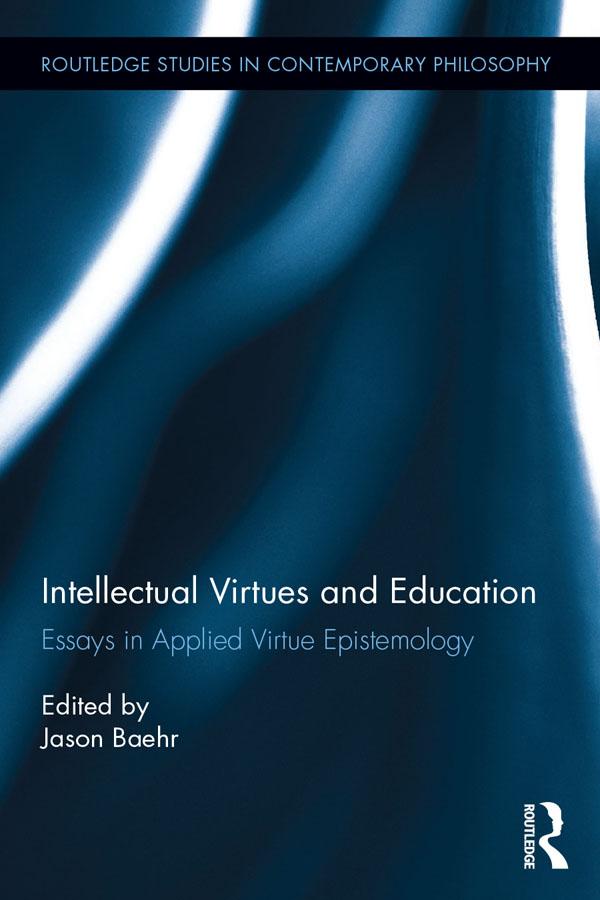
With its focus on intellectual virtues and their role in the acquisition and transmission of knowledge and related epistemic goods, virtue epistemology provides a rich set of tools for educational theory and practice. In particular, characteristics under the rubric of "responsibilist" virtue epistemology, like curiosity, open-mindedness, attentiveness, intellectual courage, and intellectual tenacity, can help educators and students define and attain certain worthy but nebulous educational goals like a love of learning, lifelong learning, and critical thinking. This volume is devoted to exploring the intersection between virtue epistemology and education. It assembles leading virtue epistemologists and philosophers of education to address such questions as: Which virtues are most essential to education? How exactly should these virtues be understood? How is the goal of intellectual character growth related to other educational goals, for example, to critical thinking and knowledge-acquisition? What are the "best practices" for achieving this goal? Can growth in intellectual virtues be measured? The chapters are a prime example of "applied epistemology" and promise to be a seminal contribution to an area of research that is rapidly gaining attention within epistemology and beyond.
Maksa helposti kortilla, Klarnalla, Apple Paylla tai Google Paylla. Etkö ole tyytyväinen? Sinulla on aina 14 päivän palautusoikeus. Lue lisää ehdoistamme. Jos sinulla on kysyttävää, lähetä meille sähköpostia osoitteeseen hello@memmo.org.
Memmo tekee opiskelusta helpompaa – missä päin maailmaa ikinä oletkin. Meillä yhdistät kurssikirjat ja fiksut opiskelutyökalut yhteen paikkaan: tiivistelmät, visat, podcastit ja muistikortit. Ja sitten Ted, opiskelukaverisi, joka vastaa kaikkeen, mitä ikinä mietitkin. Yli 50 000 opiskelijaa opiskelee jo täällä – rakennettu auttamaan sinua oppimaan nopeammin ja stressaamaan vähemmän.