
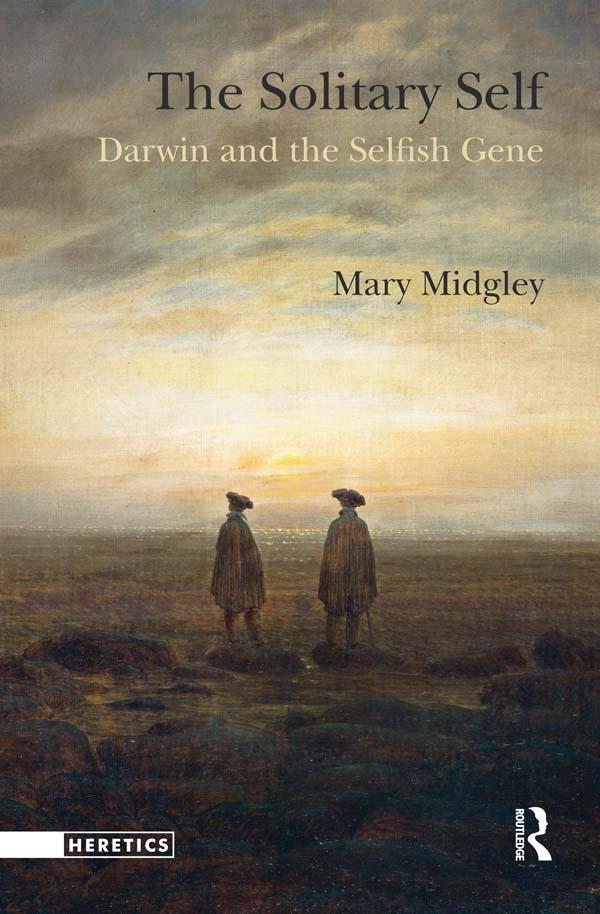
Renowned philosopher Mary Midgley explores the nature of our moral constitution to challenge the view that reduces human motivation to self-interest. Midgley argues cogently and convincingly that simple, one-sided accounts of human motives, such as the 'selfish gene' tendency in recent neo-Darwinian thought, may be illuminating but are always unrealistic. Such neatness, she shows, cannot be imposed on human psychology. She returns to Darwin's original writings to show how the reductive individualism which is now presented as Darwinism does not derive from Darwin but from a wider, Hobbesian tradition in Enlightenment thinking. She reveals the selfish gene hypothesis as a cultural accretion that is just not seen in nature. Heroic independence is not a realistic aim for Homo sapiens. We are, as Darwin saw, earthly organisms, framed to interact constantly with one another and with the complex ecosystems of which we are a tiny part. For us, bonds are not just restraints but also lifelines.
Maksa helposti kortilla, Klarnalla, Apple Paylla tai Google Paylla. Etkö ole tyytyväinen? Sinulla on aina 14 päivän palautusoikeus. Lue lisää ehdoistamme. Jos sinulla on kysyttävää, lähetä meille sähköpostia osoitteeseen hello@memmo.org.
Memmo tekee opiskelusta helpompaa – missä päin maailmaa ikinä oletkin. Meillä yhdistät kurssikirjat ja fiksut opiskelutyökalut yhteen paikkaan: tiivistelmät, visat, podcastit ja muistikortit. Ja sitten Ted, opiskelukaverisi, joka vastaa kaikkeen, mitä ikinä mietitkin. Yli 50 000 opiskelijaa opiskelee jo täällä – rakennettu auttamaan sinua oppimaan nopeammin ja stressaamaan vähemmän.
Saatat pitää myös näistä
Osta kirja0