
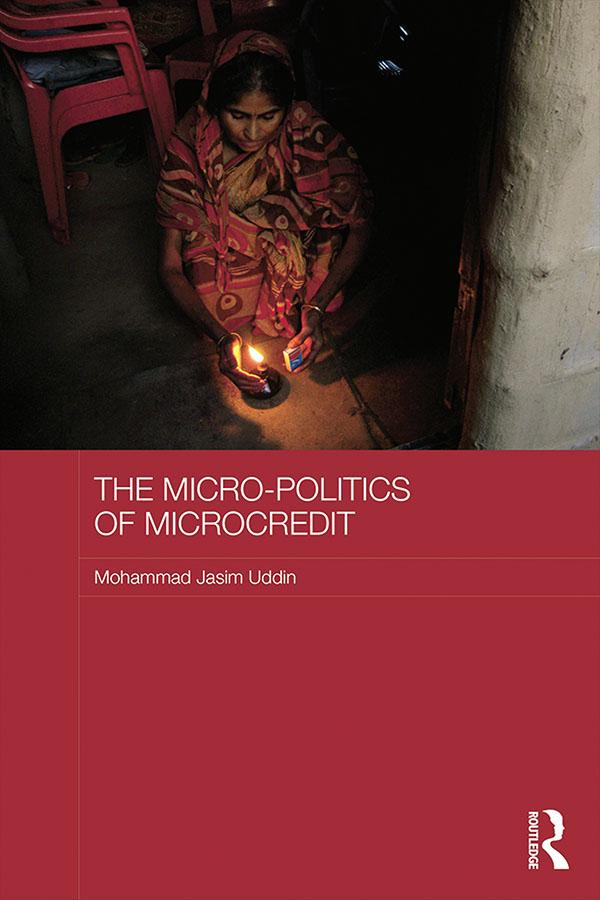
Microcredit has been seen in recent decades as having great potential for aiding development in poor developing countries, with Bangladesh being one of the countries which has pioneered microcredit and implemented it most widely. This book, based on extensive original research, explores how microcredit works in practice, and assesses its effectiveness. It discusses how microcredit, usually channelled through women, is often passed to the men of the family, a practice disapproved of by some, but regarded as acceptable by borrowers who have a communal approach to debt, rather than viewing debt as something held by single individuals. The book demonstrates how the rules around microcredit are often seem as irksome by the borrowers, how lenders often charge high rates of interest and work primarily to preserve their institutions, thereby going against the spirit of the microcredit movement, and how borrowers often end up on a downward spiral, deeper and deeper in debt. Overall, the book argues that although microcredit does much good, it also has many drawbacks.
Maksa helposti kortilla, Klarnalla, Apple Paylla tai Google Paylla. Etkö ole tyytyväinen? Sinulla on aina 14 päivän palautusoikeus. Lue lisää ehdoistamme. Jos sinulla on kysyttävää, lähetä meille sähköpostia osoitteeseen hello@memmo.org.
Memmo tekee opiskelusta helpompaa – missä päin maailmaa ikinä oletkin. Meillä yhdistät kurssikirjat ja fiksut opiskelutyökalut yhteen paikkaan: tiivistelmät, visat, podcastit ja muistikortit. Ja sitten Ted, opiskelukaverisi, joka vastaa kaikkeen, mitä ikinä mietitkin. Yli 50 000 opiskelijaa opiskelee jo täällä – rakennettu auttamaan sinua oppimaan nopeammin ja stressaamaan vähemmän.