
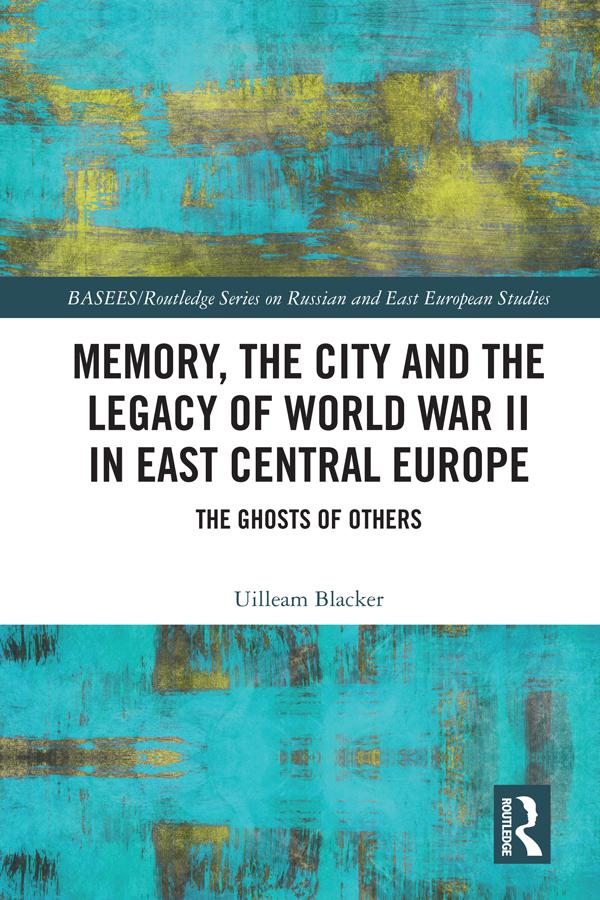
After the Second World War, millions of people across Eastern Europe, displaced as a result of wartime destruction, deportations and redrawing of state boundaries, found themselves living in cities that were filled with the traces of the foreign cultures of the former inhabitants. In the immediate post-war period these traces were not acknowledged, the new inhabitants going along with official policies of oblivion, the national narratives of new post-war regimes, and the memorializing of the victors. In time, however, and increasingly over recent decades, the former "other pasts" have been embraced and taken on board as part of local cultural memory. This book explores this interesting and increasingly important phenomenon. It examines official ideologies, popular memory, literature, film, memorialization and tourism to show how other pasts are being incorporated into local cultural memory. It relates these developments to cultural theory and argues that the relationship between urban space, cultural memory and identity in Eastern Europe is increasingly becoming a question not only of cultural politics, but also of consumption and choice, alongside a tendency towards the cosmopolitanization of memory.
Maksa helposti kortilla, Klarnalla, Apple Paylla tai Google Paylla. Etkö ole tyytyväinen? Sinulla on aina 14 päivän palautusoikeus. Lue lisää ehdoistamme. Jos sinulla on kysyttävää, lähetä meille sähköpostia osoitteeseen hello@memmo.org.
Memmo tekee opiskelusta helpompaa – missä päin maailmaa ikinä oletkin. Meillä yhdistät kurssikirjat ja fiksut opiskelutyökalut yhteen paikkaan: tiivistelmät, visat, podcastit ja muistikortit. Ja sitten Ted, opiskelukaverisi, joka vastaa kaikkeen, mitä ikinä mietitkin. Yli 50 000 opiskelijaa opiskelee jo täällä – rakennettu auttamaan sinua oppimaan nopeammin ja stressaamaan vähemmän.