
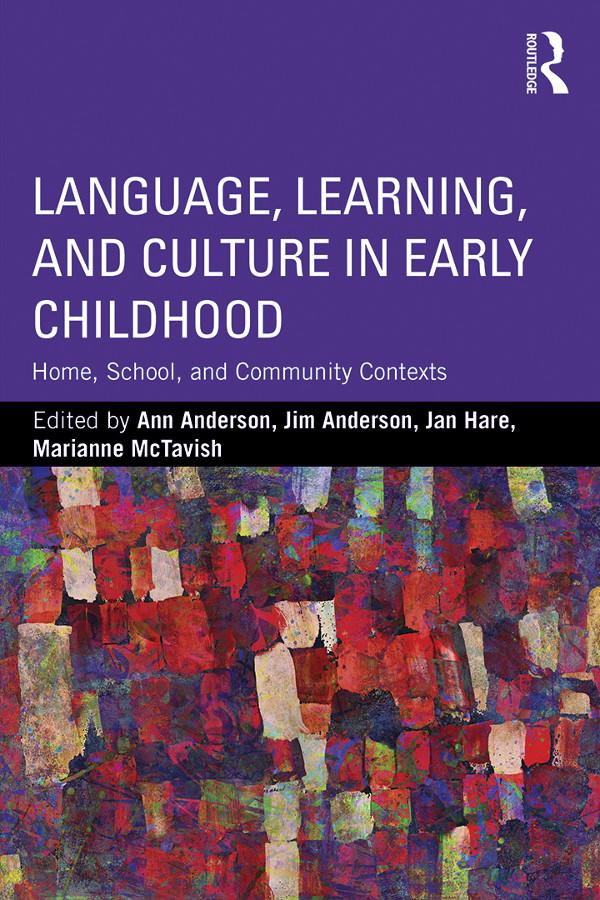
Complex factors affect young children and their families in today’s increasingly diverse world characterized by globalization, the transnational movement of people, and neo-liberal government policies in western and industrialized countries. This book focuses on three of these factors—culture, language and learning—and how they affect children’s development and learning in the context of their communities, families and schools. Taking an ecological perspective, it challenges normative and hegemonic views of young children’s language, literacy and numeracy development and offers examples of demonstrated educational practices that acknowledge and build on the knowledge that children develop and learn in culturally specific ways in their homes and communities.
The authors highlight issues and perspectives that are particular to Indigenous people who have been subjected to centuries of assimilationist and colonialist policies and practices, and the importance of first or home language maintenance and its cognitive, cultural, economic, psychological and social benefits. Links are provided to a package of audio-video resources (http://blogs.ubc.ca/intersectionworkshop/) including key note speeches and interviews with leading international scholars, and a collection of vignettes from the workshop from which this volume was produced .
Maksa helposti kortilla, Klarnalla, Apple Paylla tai Google Paylla. Etkö ole tyytyväinen? Sinulla on aina 14 päivän palautusoikeus. Lue lisää ehdoistamme. Jos sinulla on kysyttävää, lähetä meille sähköpostia osoitteeseen hello@memmo.org.
Memmo tekee opiskelusta helpompaa – missä päin maailmaa ikinä oletkin. Meillä yhdistät kurssikirjat ja fiksut opiskelutyökalut yhteen paikkaan: tiivistelmät, visat, podcastit ja muistikortit. Ja sitten Ted, opiskelukaverisi, joka vastaa kaikkeen, mitä ikinä mietitkin. Yli 50 000 opiskelijaa opiskelee jo täällä – rakennettu auttamaan sinua oppimaan nopeammin ja stressaamaan vähemmän.