
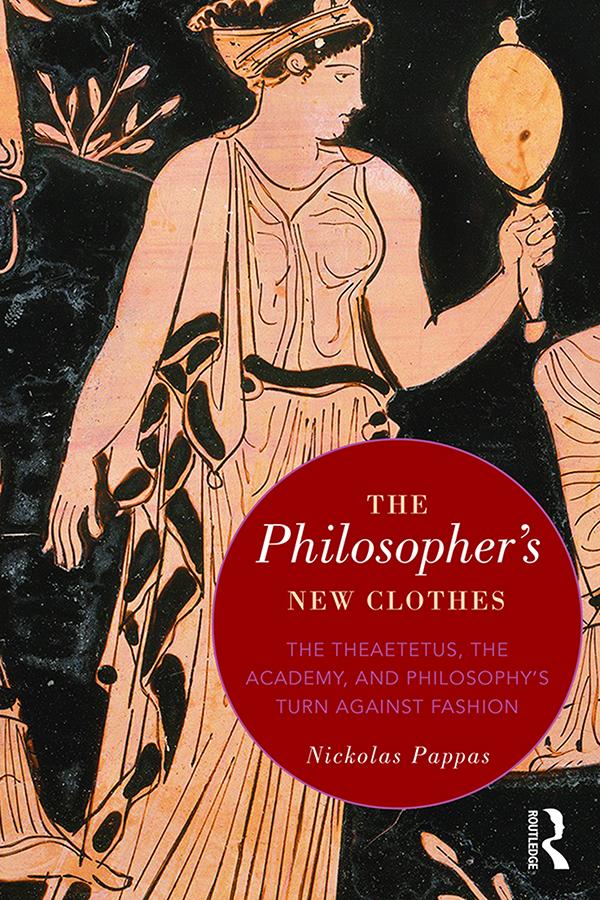
This book takes a new approach to the question, "Is the philosopher to be seen as universal human being or as eccentric?". Through a reading of the Theaetetus, Pappas first considers how we identify philosophers – how do they appear, in particular how do they dress? The book moves to modern philosophical treatments of fashion, and of "anti-fashion". He argues that aspects of the fashion/anti-fashion debate apply to antiquity, indeed that nudity at the gymnasia was an anti-fashion. Thus anti-fashion provides a way of viewing ancient philosophy’s orientation toward a social world in which, for all its true existence elsewhere, philosophy also has to live.
Maksa helposti kortilla, Klarnalla, Apple Paylla tai Google Paylla. Etkö ole tyytyväinen? Sinulla on aina 14 päivän palautusoikeus. Lue lisää ehdoistamme. Jos sinulla on kysyttävää, lähetä meille sähköpostia osoitteeseen hello@memmo.org.
Memmo tekee opiskelusta helpompaa – missä päin maailmaa ikinä oletkin. Meillä yhdistät kurssikirjat ja fiksut opiskelutyökalut yhteen paikkaan: tiivistelmät, visat, podcastit ja muistikortit. Ja sitten Ted, opiskelukaverisi, joka vastaa kaikkeen, mitä ikinä mietitkin. Yli 50 000 opiskelijaa opiskelee jo täällä – rakennettu auttamaan sinua oppimaan nopeammin ja stressaamaan vähemmän.