
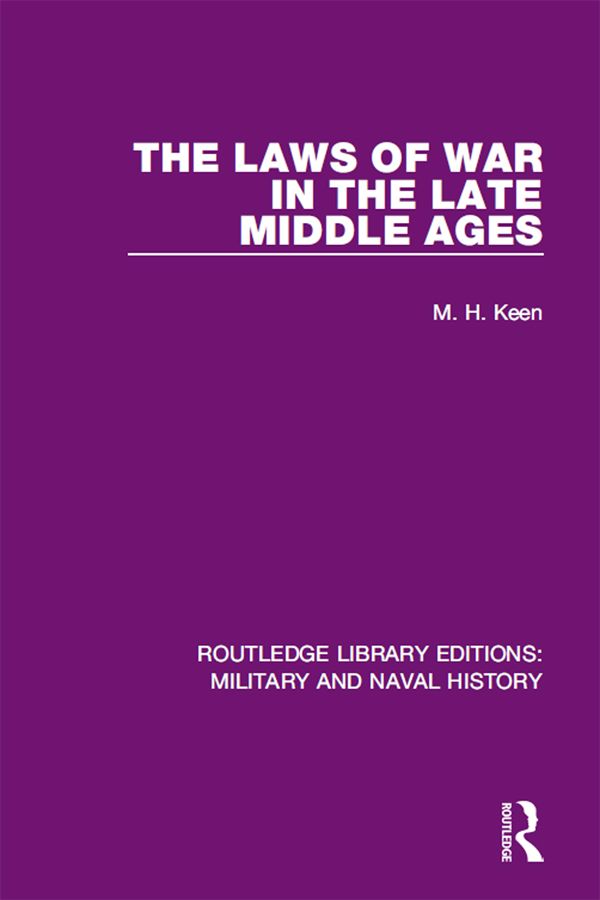
Many of the combatants in the European wars of the late middle ages fought for their own gain, but they observed a code of regulations, part chivalrous and part commercial which they called the ‘law of arms’. This book, originally published in 1965, examines this soldiers’ code, to understand its rules and how they were enforced. How did a soldier sue for ransom money if his prisoner would not pay it, and before what court? How did he know whether what he took by force was lawful spoil? As the answers to these and other questions reveal, the workings of the law of arms gave practical point to the contemporary cult of chivalry. It also had an important influence on the early development of ideas of international law.
Maksa helposti kortilla, Klarnalla, Apple Paylla tai Google Paylla. Etkö ole tyytyväinen? Sinulla on aina 14 päivän palautusoikeus. Lue lisää ehdoistamme. Jos sinulla on kysyttävää, lähetä meille sähköpostia osoitteeseen hello@memmo.org.
Memmo tekee opiskelusta helpompaa – missä päin maailmaa ikinä oletkin. Meillä yhdistät kurssikirjat ja fiksut opiskelutyökalut yhteen paikkaan: tiivistelmät, visat, podcastit ja muistikortit. Ja sitten Ted, opiskelukaverisi, joka vastaa kaikkeen, mitä ikinä mietitkin. Yli 50 000 opiskelijaa opiskelee jo täällä – rakennettu auttamaan sinua oppimaan nopeammin ja stressaamaan vähemmän.