
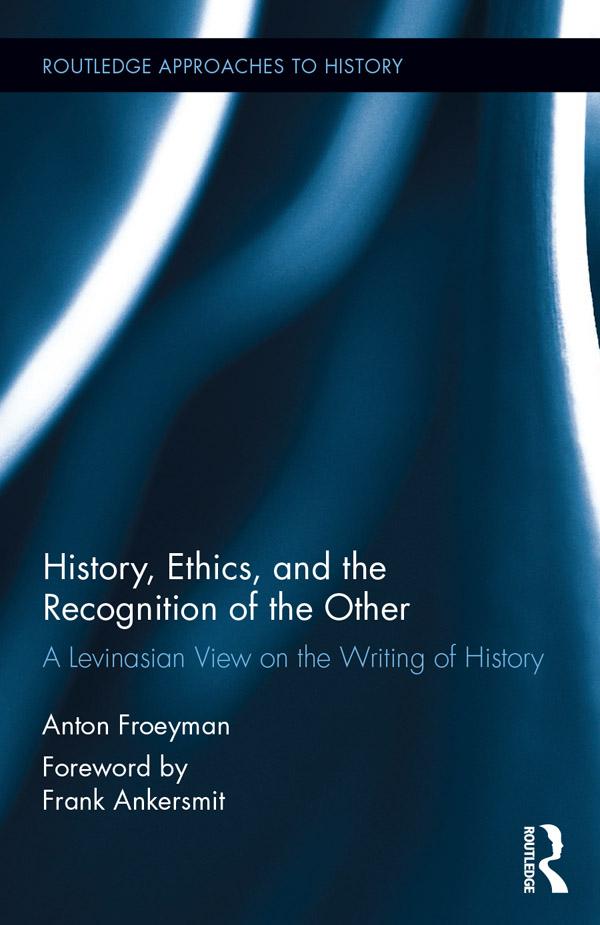
This book introduces a new way of looking at the writing of history. Rather than as the production of knowledge or the telling of stories, it sees writing history as an ethical, existential and emotional engagement with the people from the past. The conceptual and philosophical basis for this view is provided by the philosophy of Emmanuel Levinas. In the first part, the view is presented and contrasted with other, competing views, such as those of Hans-Georg Gadamer and Michel Foucault. In the second part, the view is argued for, most importantly by an in-depth discussion of one specific tradition of history-writing (microhistory), and a series of close readings of several classical works from the history of historiography. The third part, finally, explores some of the methodological consequences of this view, and applies it to a non-academic way of dealing with the past, namely historical performance practice in music. The book features a foreword by Frank Ankersmit.
Maksa helposti kortilla, Klarnalla, Apple Paylla tai Google Paylla. Etkö ole tyytyväinen? Sinulla on aina 14 päivän palautusoikeus. Lue lisää ehdoistamme. Jos sinulla on kysyttävää, lähetä meille sähköpostia osoitteeseen hello@memmo.org.
Memmo tekee opiskelusta helpompaa – missä päin maailmaa ikinä oletkin. Meillä yhdistät kurssikirjat ja fiksut opiskelutyökalut yhteen paikkaan: tiivistelmät, visat, podcastit ja muistikortit. Ja sitten Ted, opiskelukaverisi, joka vastaa kaikkeen, mitä ikinä mietitkin. Yli 50 000 opiskelijaa opiskelee jo täällä – rakennettu auttamaan sinua oppimaan nopeammin ja stressaamaan vähemmän.