
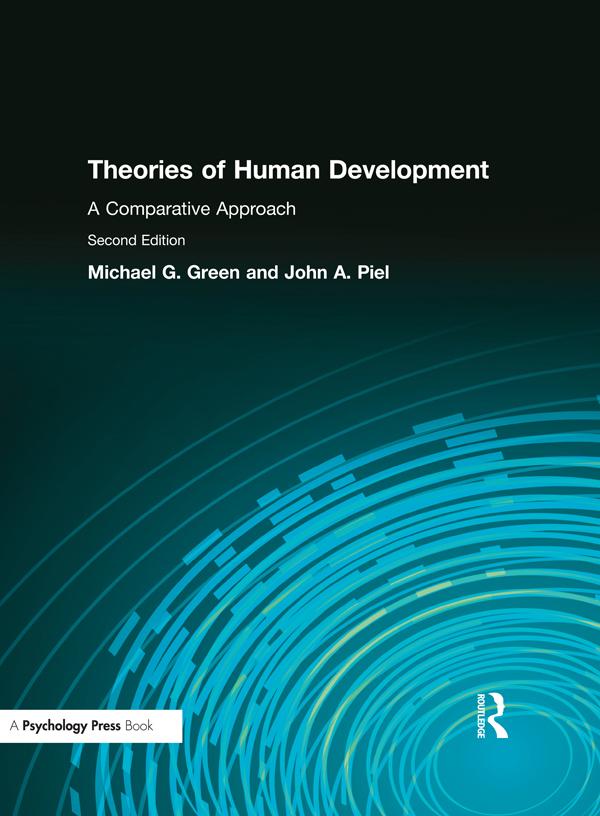
The authors have grouped the theories into three classical "families" which differ in their views relative to the prime motives underlying human nature. They show how theories are specific examples of more general points of view called paradigms. The theories chosen to represent the three paradigms (the Endogenous Paradigm, Exogenous Paradigm, and the Constructivist Paradigm) were selected because they met four criteria:
- importance, as judged by academic and research psychologists
- fertility, as judged by the amount of research the theory has generated
- scope, as judged by the variety of phenomena the various theories explain
- family resemblance, as judged by how well each theory represents its paradigm
The authors present the "paradigm case" in the lead chapter for each paradigm. This paradigm case is the "best example" for the paradigm. The authors explain why paradigm cases are important, and give them more detailed treatment than other theories in the same paradigm.
Maksa helposti kortilla, Klarnalla, Apple Paylla tai Google Paylla. Etkö ole tyytyväinen? Sinulla on aina 14 päivän palautusoikeus. Lue lisää ehdoistamme. Jos sinulla on kysyttävää, lähetä meille sähköpostia osoitteeseen hello@memmo.org.
Memmo tekee opiskelusta helpompaa – missä päin maailmaa ikinä oletkin. Meillä yhdistät kurssikirjat ja fiksut opiskelutyökalut yhteen paikkaan: tiivistelmät, visat, podcastit ja muistikortit. Ja sitten Ted, opiskelukaverisi, joka vastaa kaikkeen, mitä ikinä mietitkin. Yli 50 000 opiskelijaa opiskelee jo täällä – rakennettu auttamaan sinua oppimaan nopeammin ja stressaamaan vähemmän.