
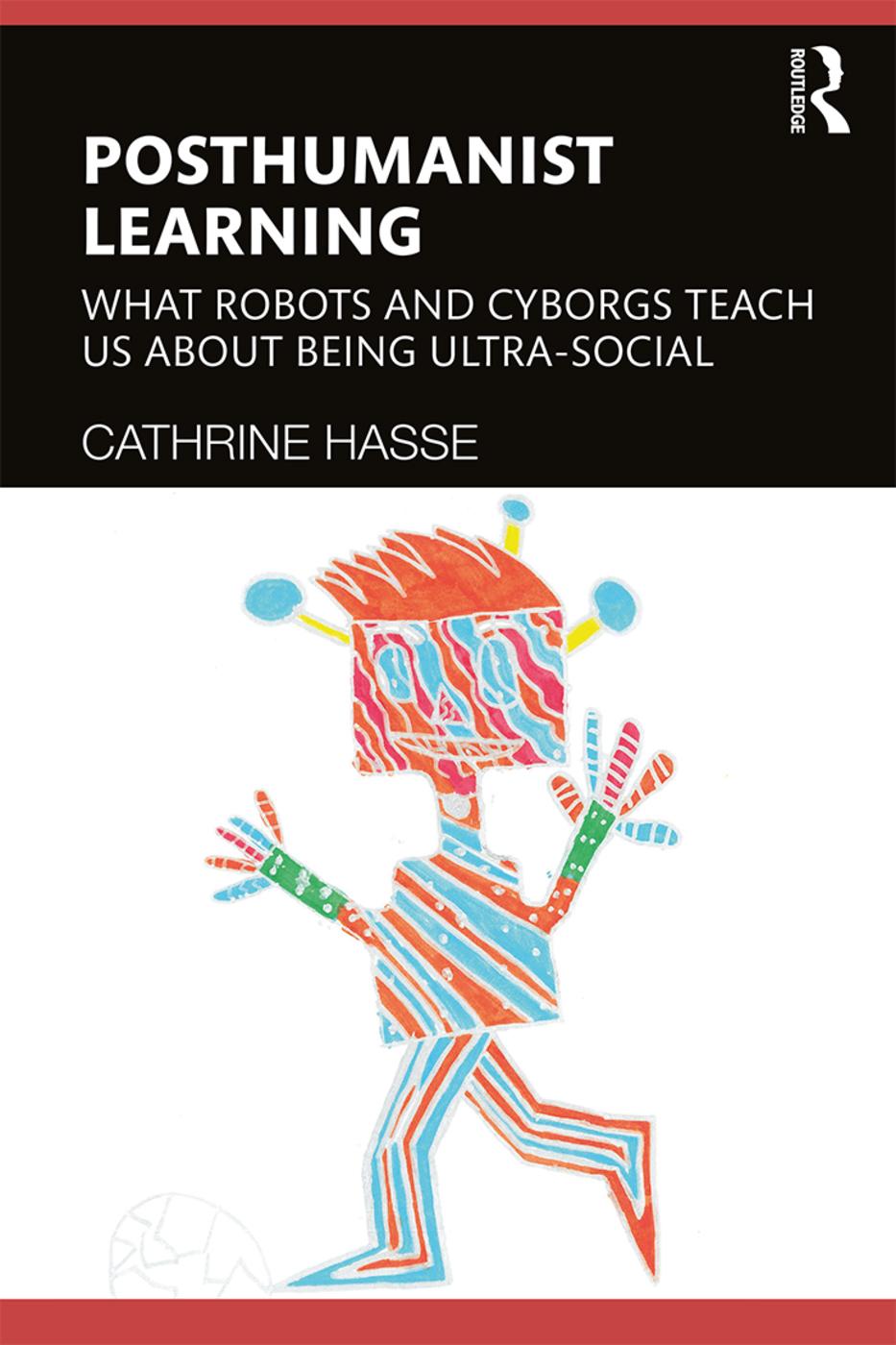
In this text Hasse presents a new, inclusive, posthuman learning theory, designed to keep up with the transformations of human learning resulting from new technological experiences, as well as considering the expanding role of cyborg devices and robots in learning. This ground-breaking book draws on research from across psychology, education, and anthropology to present a truly interdisciplinary examination of the relationship between technology, learning and humanity.
Posthumanism questions the self-evident status of human beings by exploring how technology is changing what can be categorised as "human". In this book, the author applies a posthumanist lens to traditional learning theory, challenging conventional understanding of what a human learner is, and considering how technological advances are changing how we think about this question. Throughout the book Hasse uses vignettes of her own research and that of other prominent academics to exemplify what technology can tell us about how we learn and how this can be observed in real-life settings.
Posthumanist Learning is essential reading for students and researchers of posthumanism and learning theory from a variety of backgrounds, including psychology, education, anthropology, robotics and philosophy.
Maksa helposti kortilla, Klarnalla, Apple Paylla tai Google Paylla. Etkö ole tyytyväinen? Sinulla on aina 14 päivän palautusoikeus. Lue lisää ehdoistamme. Jos sinulla on kysyttävää, lähetä meille sähköpostia osoitteeseen hello@memmo.org.
Memmo tekee opiskelusta helpompaa – missä päin maailmaa ikinä oletkin. Meillä yhdistät kurssikirjat ja fiksut opiskelutyökalut yhteen paikkaan: tiivistelmät, visat, podcastit ja muistikortit. Ja sitten Ted, opiskelukaverisi, joka vastaa kaikkeen, mitä ikinä mietitkin. Yli 50 000 opiskelijaa opiskelee jo täällä – rakennettu auttamaan sinua oppimaan nopeammin ja stressaamaan vähemmän.