
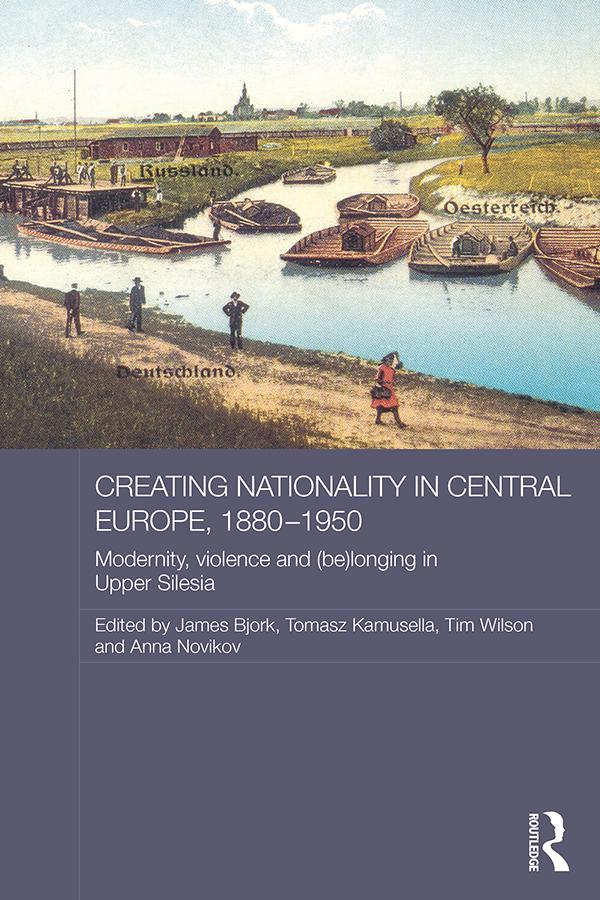
In the immediate aftermath of the First World War, Upper Silesia was the site of the largest formal exercise in self-determination in European history, the 1921 Plebiscite. This asked the inhabitants of Europe’s second largest industrial region the deceptively straightforward question of whether they preferred to be Germans or Poles, but spectacularly failed to clarify their national identity, demonstrating instead the strength of transnational, regionalist and sub-national allegiances, and of allegiances other than nationality, such as religion. As such Upper Silesia, which was partitioned and re-partitioned between 1922 and 1945, and subjected to Czechization, Germanization, Polonization, forced emigration, expulsion and extermination, illustrates the limits of nation-building projects and nation-building narratives imposed from outside. This book explores a range of topics related to nationality issues in Upper Silesia, putting forward the results of extensive new research. It highlights the flaws at the heart of attempts to shape Europe as homogenously national polities and compares the fate of Upper Silesia with the many other European regions where similar problems occurred.
Maksa helposti kortilla, Klarnalla, Apple Paylla tai Google Paylla. Etkö ole tyytyväinen? Sinulla on aina 14 päivän palautusoikeus. Lue lisää ehdoistamme. Jos sinulla on kysyttävää, lähetä meille sähköpostia osoitteeseen hello@memmo.org.
Memmo tekee opiskelusta helpompaa – missä päin maailmaa ikinä oletkin. Meillä yhdistät kurssikirjat ja fiksut opiskelutyökalut yhteen paikkaan: tiivistelmät, visat, podcastit ja muistikortit. Ja sitten Ted, opiskelukaverisi, joka vastaa kaikkeen, mitä ikinä mietitkin. Yli 50 000 opiskelijaa opiskelee jo täällä – rakennettu auttamaan sinua oppimaan nopeammin ja stressaamaan vähemmän.