
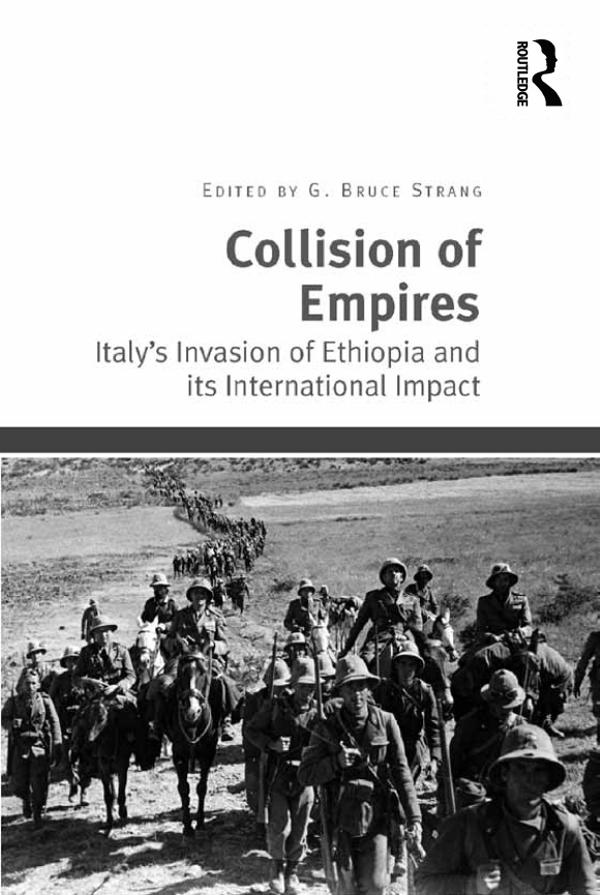
Italy's invasion of Ethiopia in 1935 marked a turning point in interwar Europe. The last great European colonial conquest in Africa, the conflict represented an enormous gamble for the Fascist dictator Benito Mussolini. He faced a challenge not only from a stout Ethiopian defence, but also from difficult logistics made worse by the League of Nations' half-hearted sanctions. Mussolini faced down this opposition, and Italian troops, aided by air superiority and liberal use of yprite gas, conquered Addis Ababa within eight months, a victory that shocked many military observers of the time with its speed and suddenness. The invasion had enormous repercussions on European international relations. In the midst of a national election campaign, the British National Government had felt constrained to support the League, despite fears that sanctions through the League could lead to war with Italy. The concentration of the Royal Navy in the Mediterranean Sea alienated Mussolini and placed the French government on the horns of dilemma; should France support its military partner, Italy, or its more important potential ally, Great Britain? French attempts to mark out a middle ground did little to placate the Duce, and the crisis seemed to develop a deep rift between Fascist Italy and the Anglo-French democracies, while at the same time creating a crisis in Anglo-French relations. Mussolini turned towards Nazi Germany in an attempt to end his diplomatic isolation during the sanctions episode, although Hitler considered the Duce's friendship a mixed blessing. The question of American adherence to sanctions increased ill will between British politicians and the Roosevelt administration in Washington, as each tended to blame the other for the failure of oil sanctions and the collapse of collective security. The international crisis posed similarly thorny problems for the smaller powers of Europe, and for Japan and the Soviet Union. The crisis impeded common defence against Fascist expansionism while giving impetus to claims of the revisionist powers. Despite the tremendous importance of the international crisis, however, little new work on the subject has appeared in recent decades. In this volume, an international cast of contributors take a fresh look at the crisis through the lens of new evidence and new approaches to international relations history to provide the most comprehensive coverage of the crisis currently possible, and their work provides new frames of reference for exploring imperialism, collective security and genocide.
Maksa helposti kortilla, Klarnalla, Apple Paylla tai Google Paylla. Etkö ole tyytyväinen? Sinulla on aina 14 päivän palautusoikeus. Lue lisää ehdoistamme. Jos sinulla on kysyttävää, lähetä meille sähköpostia osoitteeseen hello@memmo.org.
Memmo tekee opiskelusta helpompaa – missä päin maailmaa ikinä oletkin. Meillä yhdistät kurssikirjat ja fiksut opiskelutyökalut yhteen paikkaan: tiivistelmät, visat, podcastit ja muistikortit. Ja sitten Ted, opiskelukaverisi, joka vastaa kaikkeen, mitä ikinä mietitkin. Yli 50 000 opiskelijaa opiskelee jo täällä – rakennettu auttamaan sinua oppimaan nopeammin ja stressaamaan vähemmän.
Saatat pitää myös näistä
Osta kirja0