
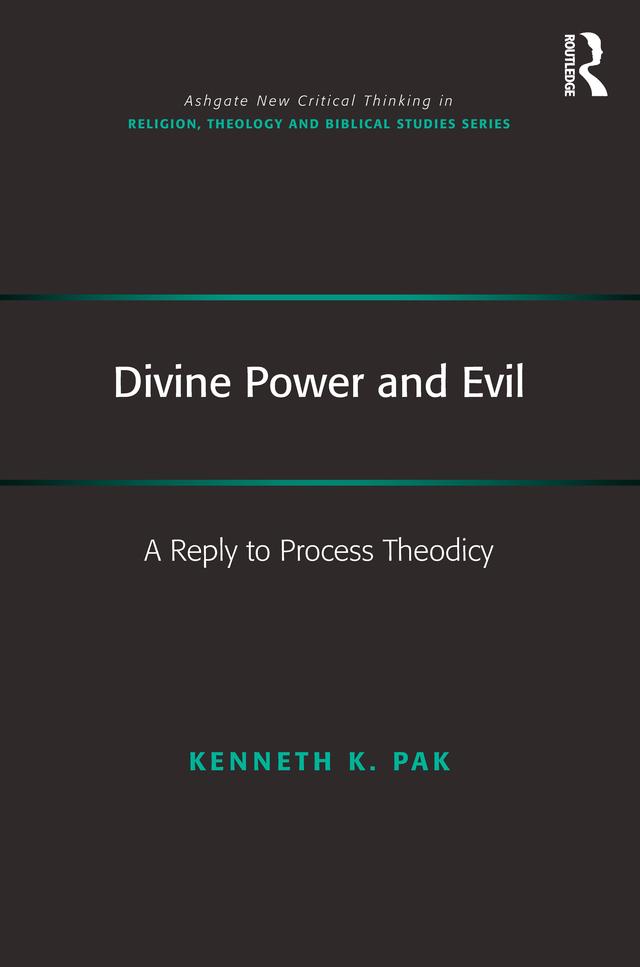
Evil perplexes us all and threatens to undermine the meaningfulness of our existence. How can we reconcile the reality of evil with the notion of a God who is perfectly good and powerful? Process theodicy, whose foremost proponent is David Griffin, suggests one answer: because every being possesses its own power of self-determination in order for God to attain the divine aim of higher goodness for the world, God must take the risk of the possibility of evil. Divine Power and Evil responds to Griffin's criticisms against traditional theodicy, assesses the merits of process theodicy, and points out ways in which traditional theism could incorporate a number of Griffin's valuable insights in progressing toward a philosophically and theologically satisfactory theodicy. It provides a new and important contribution to a long-standing debate within philosophy of religion and theology.
Maksa helposti kortilla, Klarnalla, Apple Paylla tai Google Paylla. Etkö ole tyytyväinen? Sinulla on aina 14 päivän palautusoikeus. Lue lisää ehdoistamme. Jos sinulla on kysyttävää, lähetä meille sähköpostia osoitteeseen hello@memmo.org.
Memmo tekee opiskelusta helpompaa – missä päin maailmaa ikinä oletkin. Meillä yhdistät kurssikirjat ja fiksut opiskelutyökalut yhteen paikkaan: tiivistelmät, visat, podcastit ja muistikortit. Ja sitten Ted, opiskelukaverisi, joka vastaa kaikkeen, mitä ikinä mietitkin. Yli 50 000 opiskelijaa opiskelee jo täällä – rakennettu auttamaan sinua oppimaan nopeammin ja stressaamaan vähemmän.