
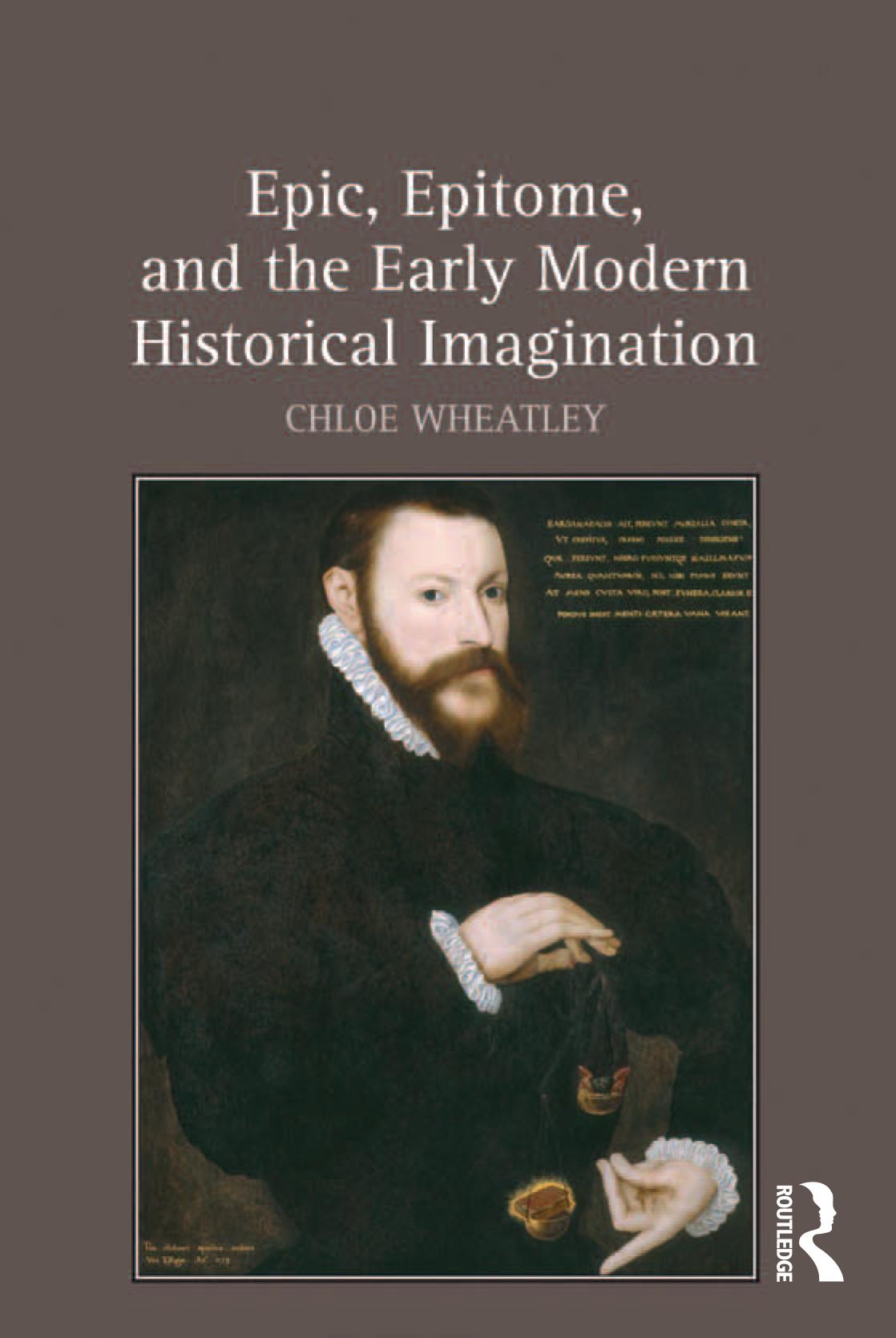
In early modern England, epitomes-texts promising to pare down, abridge, or sum up the essence of their authoritative sources-provided readers with key historical knowledge without the bulk, expense, or time commitment demanded by greater volumes. Epic poets in turn addressed the habits of reading and thinking that, for better and for worse, were popularized by the publication of predigested works. Analyzing popular texts such as chronicle summaries, abridgements of sacred epic, and abstracts of civil war debate, Chloe Wheatley charts the efflorescence of a lively early modern epitome culture, and demonstrates its impact upon Edmund Spenser's The Faerie Queene, Abraham Cowley's Davideis, and John Milton's Paradise Lost. Clearly and elegantly written, this new study presents fresh insight into how poets adapted an important epic convention-the representation of the hero's confrontation with summaries of past and future-to reflect contemporary trends in early modern history writing.
Maksa helposti kortilla, Klarnalla, Apple Paylla tai Google Paylla. Etkö ole tyytyväinen? Sinulla on aina 14 päivän palautusoikeus. Lue lisää ehdoistamme. Jos sinulla on kysyttävää, lähetä meille sähköpostia osoitteeseen hello@memmo.org.
Memmo tekee opiskelusta helpompaa – missä päin maailmaa ikinä oletkin. Meillä yhdistät kurssikirjat ja fiksut opiskelutyökalut yhteen paikkaan: tiivistelmät, visat, podcastit ja muistikortit. Ja sitten Ted, opiskelukaverisi, joka vastaa kaikkeen, mitä ikinä mietitkin. Yli 50 000 opiskelijaa opiskelee jo täällä – rakennettu auttamaan sinua oppimaan nopeammin ja stressaamaan vähemmän.
Saatat pitää myös näistä
Osta kirja0