
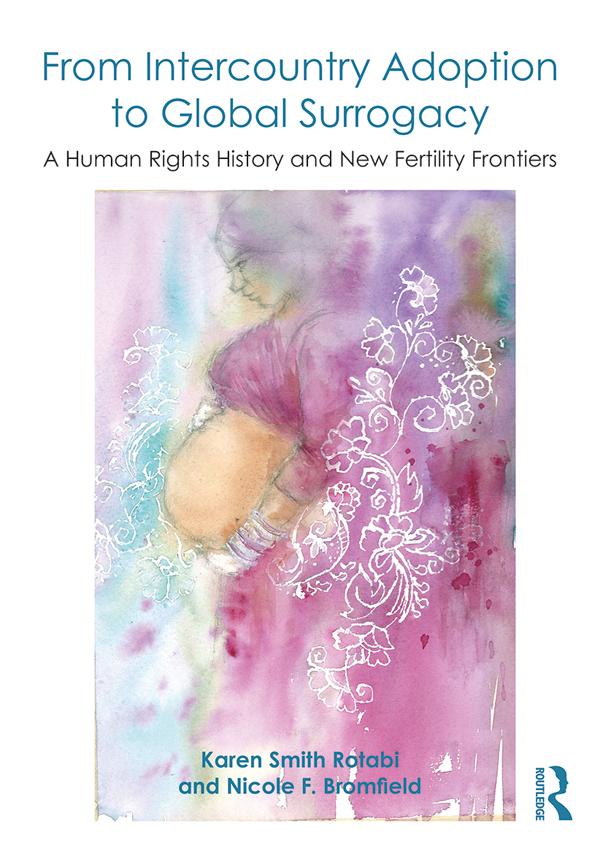
Intercountry adoption has undergone a radical decline since 2004 when it reached a peak of approximately 45,000 children adopted globally. Its practice had been linked to conflict, poverty, gender inequality, and claims of human trafficking, ultimately leading to the establishment of the Hague Convention on Intercountry Adoption (HCIA). This international private law along with the Convention on the Rights of the Child affirm the best interests of the child as paramount in making decisions on behalf of children and families with obligations specifically oriented to safeguards in adoption practices. In 2004, as intercountry adoption peaked and then began a dramatic decline, commercial global surrogacy contracts began to take off in India. Global surrogacy gained in popularity owing, in part, to improved assisted reproductive technology methods, the ease with which people can make global surrogacy arrangements, and same-sex couples seeking the option to have their own genetically-related children. Yet regulation remains an issue, so much so that the Hague Conference on Private International Law has undertaken research and assessed the many dilemmas as an expert group considers drafting a new law, with some similarities to the HCIA and a strong emphasis on parentage. This ground-breaking book presents a detailed history and applies policy and human rights issues with an emphasis on the best interests of the child within intercountry adoption and the new conceptions of protection necessary in global surrogacy. To meet this end, voices of surrogate mothers in the US and India ground discourse as authors consider the human rights concerns and policy implications. For both intercountry adoption and global surrogacy, the complexity of the social context anchors the discourse inclusive of the intersections of poverty and privilege. This examination of the inevitable problems is presented at a time in which the pathways to global surrogacy appear to be shifting as the Supreme Court of India weighs in on the future of the industry there while Thailand, Cambodia and other countries have banned the practice all together. There is speculation that countries in Africa and possibly Central America appear poised to pick up the multi-million dollar industry as the demand for healthy infants continues on.
Maksa helposti kortilla, Klarnalla, Apple Paylla tai Google Paylla. Etkö ole tyytyväinen? Sinulla on aina 14 päivän palautusoikeus. Lue lisää ehdoistamme. Jos sinulla on kysyttävää, lähetä meille sähköpostia osoitteeseen hello@memmo.org.
Memmo tekee opiskelusta helpompaa – missä päin maailmaa ikinä oletkin. Meillä yhdistät kurssikirjat ja fiksut opiskelutyökalut yhteen paikkaan: tiivistelmät, visat, podcastit ja muistikortit. Ja sitten Ted, opiskelukaverisi, joka vastaa kaikkeen, mitä ikinä mietitkin. Yli 50 000 opiskelijaa opiskelee jo täällä – rakennettu auttamaan sinua oppimaan nopeammin ja stressaamaan vähemmän.