
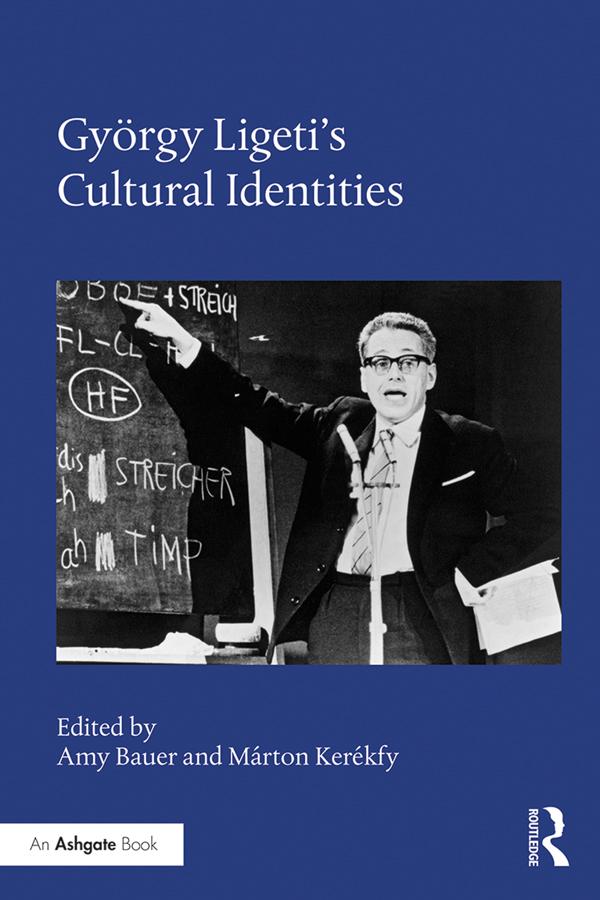
Since György Ligeti’s death in 2006, there has been a growing acknowledgement of how central he was to the late twentieth-century cultural landscape. This collection is the first book devoted to exploring the composer’s life and music within the context of his East European roots, revealing his dual identities as both Hungarian national and cosmopolitan modernist. Contributors explore the artistic and socio-cultural contexts of Ligeti’s early works, including composition and music theory, the influence of East European folk music, notions of home and identity, his ambivalent attitude to his Hungarian past and his references to his homeland in his later music. Many of the valuable insights offered profit from new research undertaken at the Paul Sacher Foundation, Basel, while also drawing on the knowledge of long-time associates such as the composer’s assistant, Louise Duchesneau. The contributions as a whole reveal Ligeti’s thoroughly cosmopolitan milieu and values, and illuminate why his music continues to inspire new generations of performers, composers and listeners.
Maksa helposti kortilla, Klarnalla, Apple Paylla tai Google Paylla. Etkö ole tyytyväinen? Sinulla on aina 14 päivän palautusoikeus. Lue lisää ehdoistamme. Jos sinulla on kysyttävää, lähetä meille sähköpostia osoitteeseen hello@memmo.org.
Memmo tekee opiskelusta helpompaa – missä päin maailmaa ikinä oletkin. Meillä yhdistät kurssikirjat ja fiksut opiskelutyökalut yhteen paikkaan: tiivistelmät, visat, podcastit ja muistikortit. Ja sitten Ted, opiskelukaverisi, joka vastaa kaikkeen, mitä ikinä mietitkin. Yli 50 000 opiskelijaa opiskelee jo täällä – rakennettu auttamaan sinua oppimaan nopeammin ja stressaamaan vähemmän.