
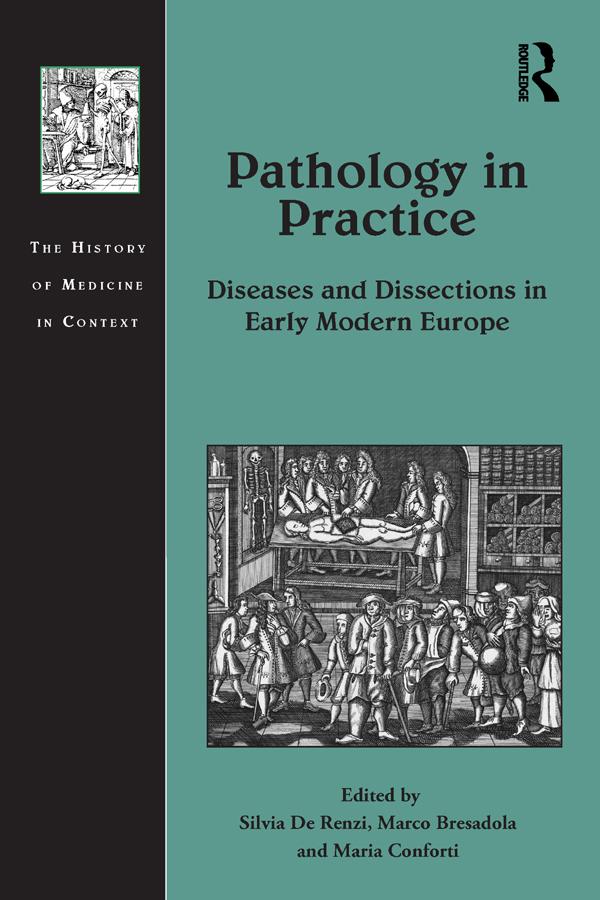
Post-mortems may have become a staple of our TV viewing, but the long history of this practice is still little known. This book provides a fresh account of the dissections that took place across early modern Europe on those who had died of a disease or in unclear circumstances. Drawing on different approaches and on sources as varied as notes taken at the dissection table, legal records and learned publications, the chapters explore how autopsies informed the understanding of pathology of all those involved. With a broad geography, including Rome, Amsterdam and Geneva, the book recaptures the lost worlds of physicians, surgeons, patients, families and civic authorities as they used corpses to understand diseases and make sense of suffering. The evidence from post-mortems was not straightforward, but between 1500 and 1750 medical practitioners rose to the challenge, proposing various solutions to the difficulties they encountered and creating a remarkable body of knowledge. The book shows the scope and diversity of this tradition and how laypeople contributed their knowledge and expectations to the wide-ranging exchanges stimulated by the opening of bodies.
Maksa helposti kortilla, Klarnalla, Apple Paylla tai Google Paylla. Etkö ole tyytyväinen? Sinulla on aina 14 päivän palautusoikeus. Lue lisää ehdoistamme. Jos sinulla on kysyttävää, lähetä meille sähköpostia osoitteeseen hello@memmo.org.
Memmo tekee opiskelusta helpompaa – missä päin maailmaa ikinä oletkin. Meillä yhdistät kurssikirjat ja fiksut opiskelutyökalut yhteen paikkaan: tiivistelmät, visat, podcastit ja muistikortit. Ja sitten Ted, opiskelukaverisi, joka vastaa kaikkeen, mitä ikinä mietitkin. Yli 50 000 opiskelijaa opiskelee jo täällä – rakennettu auttamaan sinua oppimaan nopeammin ja stressaamaan vähemmän.
Saatat pitää myös näistä
Osta kirja0