
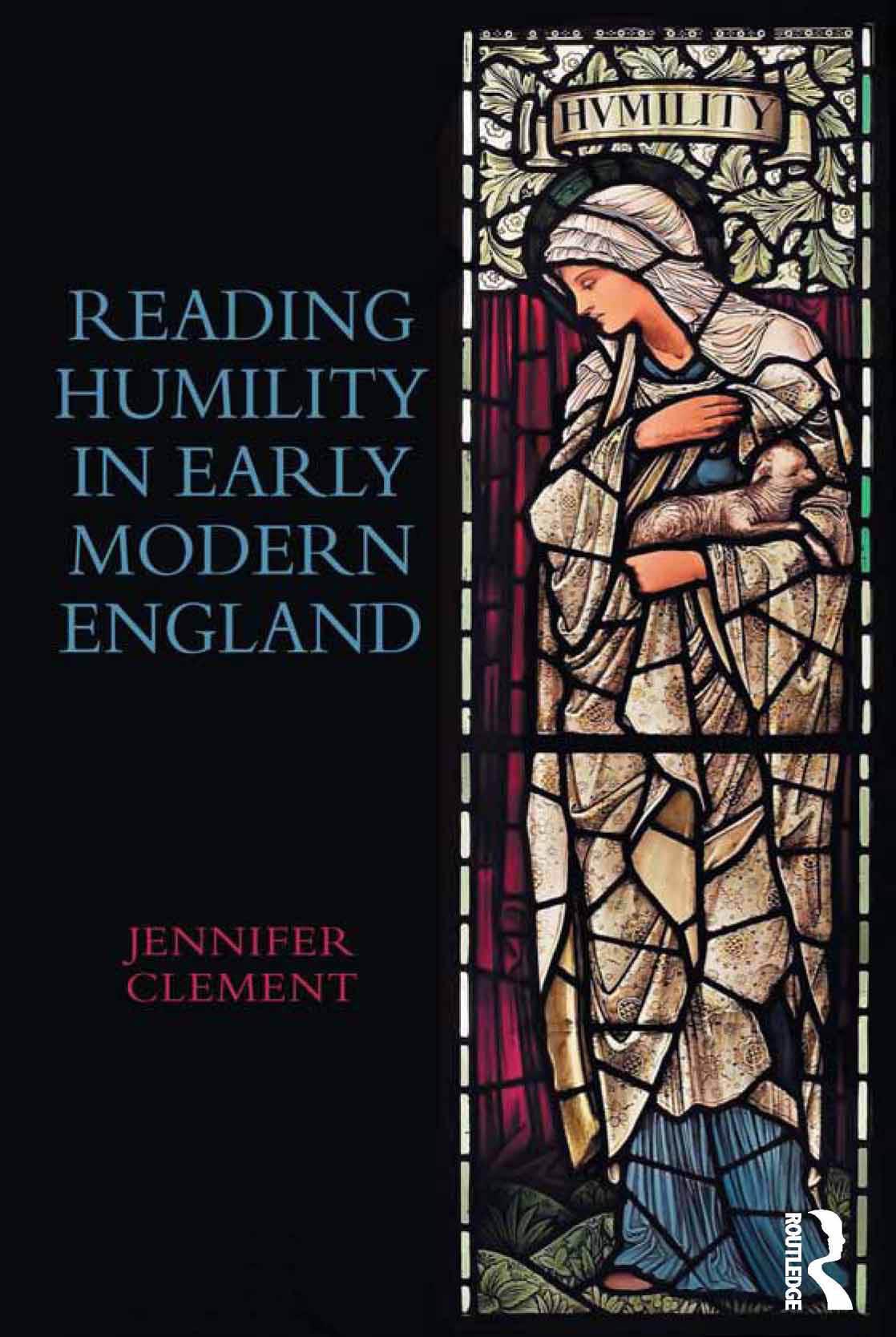
While humility is not especially valued in modern Western culture, Jennifer Clement argues here, it is central to sixteenth- and seventeenth-century understandings of Christian faith and behavior, and is vital to early modern concepts of the self. As this study shows, early modern literary engagements with humility link it to self-knowledge through the practice of right reading, and make humility foundational to any proper understanding of human agency. Yet humility has received little critical interest, and has often been misunderstood as a false virtue that engenders only self-abjection. This study offers an overview of various ways in which humility is discussed, deployed, or resisted in early modern texts ranging from the explicitly religious and autobiographical prose of Katherine Parr and John Donne, to the more politically motivated prose of Queen Elizabeth I and the seventeenth-century reformer and radical Thomas Tryon. As part of the wider 'turn to religion' in early modern studies, this study seeks to complicate our understanding of a mainstream early modern virtue, and to problematize a mode of critical analysis that assumes agency is always defined by resistance.
Maksa helposti kortilla, Klarnalla, Apple Paylla tai Google Paylla. Etkö ole tyytyväinen? Sinulla on aina 14 päivän palautusoikeus. Lue lisää ehdoistamme. Jos sinulla on kysyttävää, lähetä meille sähköpostia osoitteeseen hello@memmo.org.
Memmo tekee opiskelusta helpompaa – missä päin maailmaa ikinä oletkin. Meillä yhdistät kurssikirjat ja fiksut opiskelutyökalut yhteen paikkaan: tiivistelmät, visat, podcastit ja muistikortit. Ja sitten Ted, opiskelukaverisi, joka vastaa kaikkeen, mitä ikinä mietitkin. Yli 50 000 opiskelijaa opiskelee jo täällä – rakennettu auttamaan sinua oppimaan nopeammin ja stressaamaan vähemmän.
Saatat pitää myös näistä
Osta kirja0