
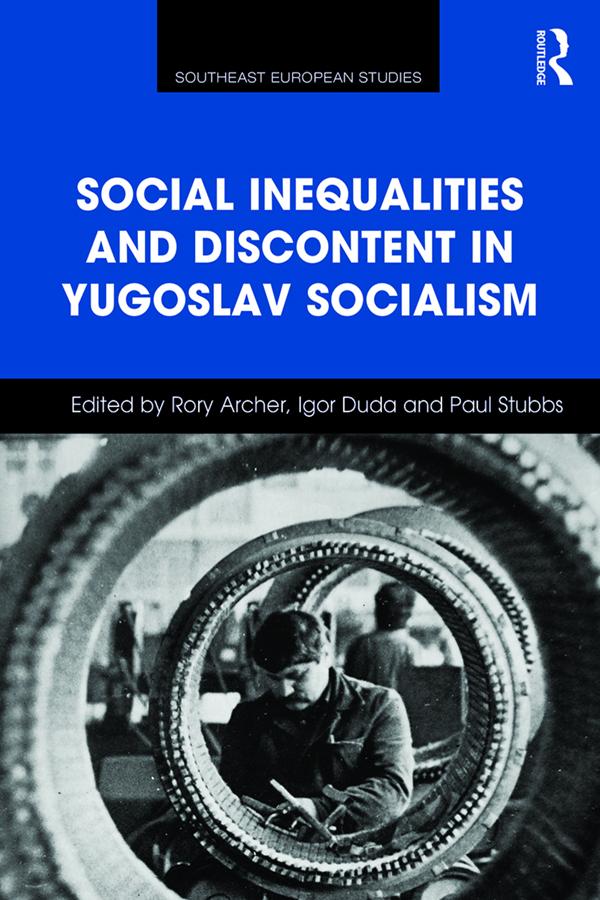
Socialist countries like Yugoslavia garnered legitimacy through appealing to social equality. Yet social stratification was characteristic of Yugoslav society and increased over the course of the state's existence. By the 1980s the country was divided on socio-economic as well as national lines. Through case studies from a range of social millieux, contributors to this volume seek to 'bring class back in' to Yugoslav historiography, exploring how theorisations of social class informed the politics and policies of social mobility and conversely, how societal or grassroots understandings of class have influenced politics and policy. Rather than focusing on regional differentiation between Yugoslav republics and provinces the emphasis is placed on social differentiation and discontent within particular communities. The contributing authors of these historical studies come from diverse disciplinary backgrounds, linking scholarship from the socialist era to contemporary research based on accessing newly available primary sources. Voices of a wide spectrum of informants are included in the volume; from factory workers and subsistence farmers to fictional television characters and pop-folk music superstars.
Maksa helposti kortilla, Klarnalla, Apple Paylla tai Google Paylla. Etkö ole tyytyväinen? Sinulla on aina 14 päivän palautusoikeus. Lue lisää ehdoistamme. Jos sinulla on kysyttävää, lähetä meille sähköpostia osoitteeseen hello@memmo.org.
Memmo tekee opiskelusta helpompaa – missä päin maailmaa ikinä oletkin. Meillä yhdistät kurssikirjat ja fiksut opiskelutyökalut yhteen paikkaan: tiivistelmät, visat, podcastit ja muistikortit. Ja sitten Ted, opiskelukaverisi, joka vastaa kaikkeen, mitä ikinä mietitkin. Yli 50 000 opiskelijaa opiskelee jo täällä – rakennettu auttamaan sinua oppimaan nopeammin ja stressaamaan vähemmän.
Saatat pitää myös näistä
Osta kirja0