
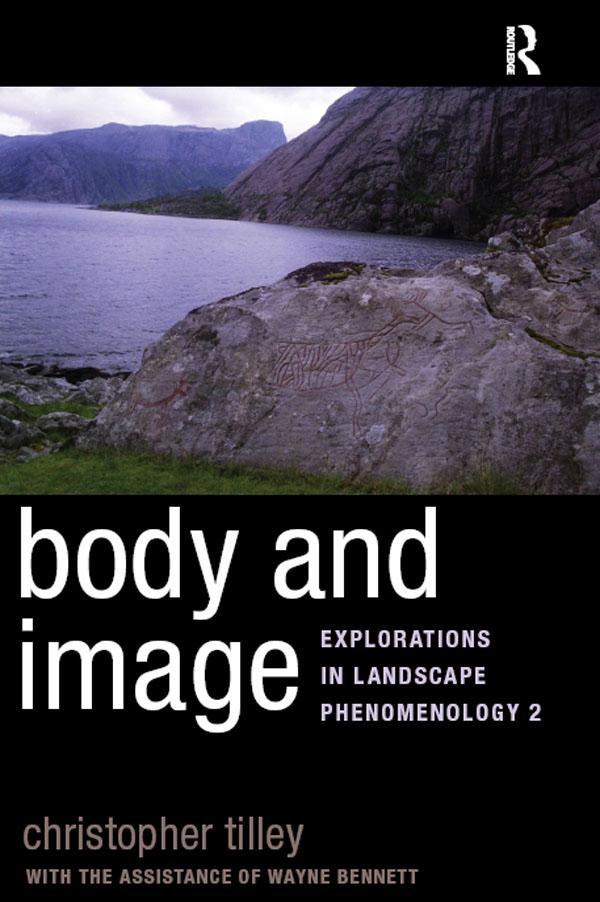
The understanding and interpretation of ancient architecture, landscapes, and art has always been viewed through an iconographic lens—a cognitive process based on traditional practices in art history. But ancient people did not ascribe their visions on canvas, rather on hills, stones, and fields. Thus, Chris Tilley argues, the iconographic approach falls short of understanding how ancient people interacted with their imagery. A kinaesthetic approach, one that uses the full body and all the senses, can better approximate the meaning that these artifacts had for their makers and today’s viewers. The body intersects the landscape in a myriad of ways—through the effort to reach the image, the angles that one can use to view, the multiple senses required for interaction. Tilley outlines the choreographic basis of understanding ancient landscapes and art phenomenologically, and demonstrates the power of his thesis through examples of rock art and megalithic architecture in Norway, Ireland, and Sweden. This is a powerful new model from one of the leading contemporary theorists in archaeology.
Maksa helposti kortilla, Klarnalla, Apple Paylla tai Google Paylla. Etkö ole tyytyväinen? Sinulla on aina 14 päivän palautusoikeus. Lue lisää ehdoistamme. Jos sinulla on kysyttävää, lähetä meille sähköpostia osoitteeseen hello@memmo.org.
Memmo tekee opiskelusta helpompaa – missä päin maailmaa ikinä oletkin. Meillä yhdistät kurssikirjat ja fiksut opiskelutyökalut yhteen paikkaan: tiivistelmät, visat, podcastit ja muistikortit. Ja sitten Ted, opiskelukaverisi, joka vastaa kaikkeen, mitä ikinä mietitkin. Yli 50 000 opiskelijaa opiskelee jo täällä – rakennettu auttamaan sinua oppimaan nopeammin ja stressaamaan vähemmän.
Saatat pitää myös näistä
Osta kirja0