
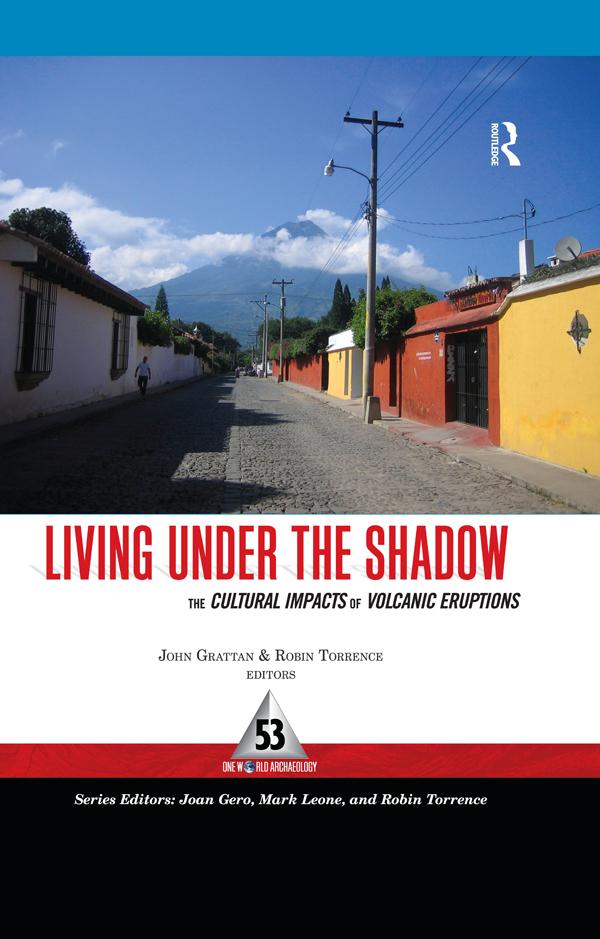
Popularist treatments of ancient disasters like volcanic eruptions have grossly overstated their capacity for death, destruction, and societal collapse. Contributors to this volume—from anthropology, archaeology, environmental studies, geology, and biology—show that human societies have been incredibly resilient and, in the long run, have often recovered remarkably well from wide scale disruption and significant mortality. They have often used eruptions as a trigger for environmental enrichment, cultural change, and adaptation. These historical studies are relevant to modern hazard management because they provide records for a far wider range of events and responses than have been recorded in written records, yet are often closely datable and trackable using standard archaeological and geological techniques. Contributors also show the importance of traditional knowledge systems in creating a cultural memory of dangerous locations and community responses to disaster. The global and temporal coverage of the research reported is impressive, comprising studies from North and Central America, Europe, Asia, and the Pacific, and ranging in time from the Middle Palaeolithic to the modern day.
Maksa helposti kortilla, Klarnalla, Apple Paylla tai Google Paylla. Etkö ole tyytyväinen? Sinulla on aina 14 päivän palautusoikeus. Lue lisää ehdoistamme. Jos sinulla on kysyttävää, lähetä meille sähköpostia osoitteeseen hello@memmo.org.
Memmo tekee opiskelusta helpompaa – missä päin maailmaa ikinä oletkin. Meillä yhdistät kurssikirjat ja fiksut opiskelutyökalut yhteen paikkaan: tiivistelmät, visat, podcastit ja muistikortit. Ja sitten Ted, opiskelukaverisi, joka vastaa kaikkeen, mitä ikinä mietitkin. Yli 50 000 opiskelijaa opiskelee jo täällä – rakennettu auttamaan sinua oppimaan nopeammin ja stressaamaan vähemmän.
Saatat pitää myös näistä
Osta kirja0