
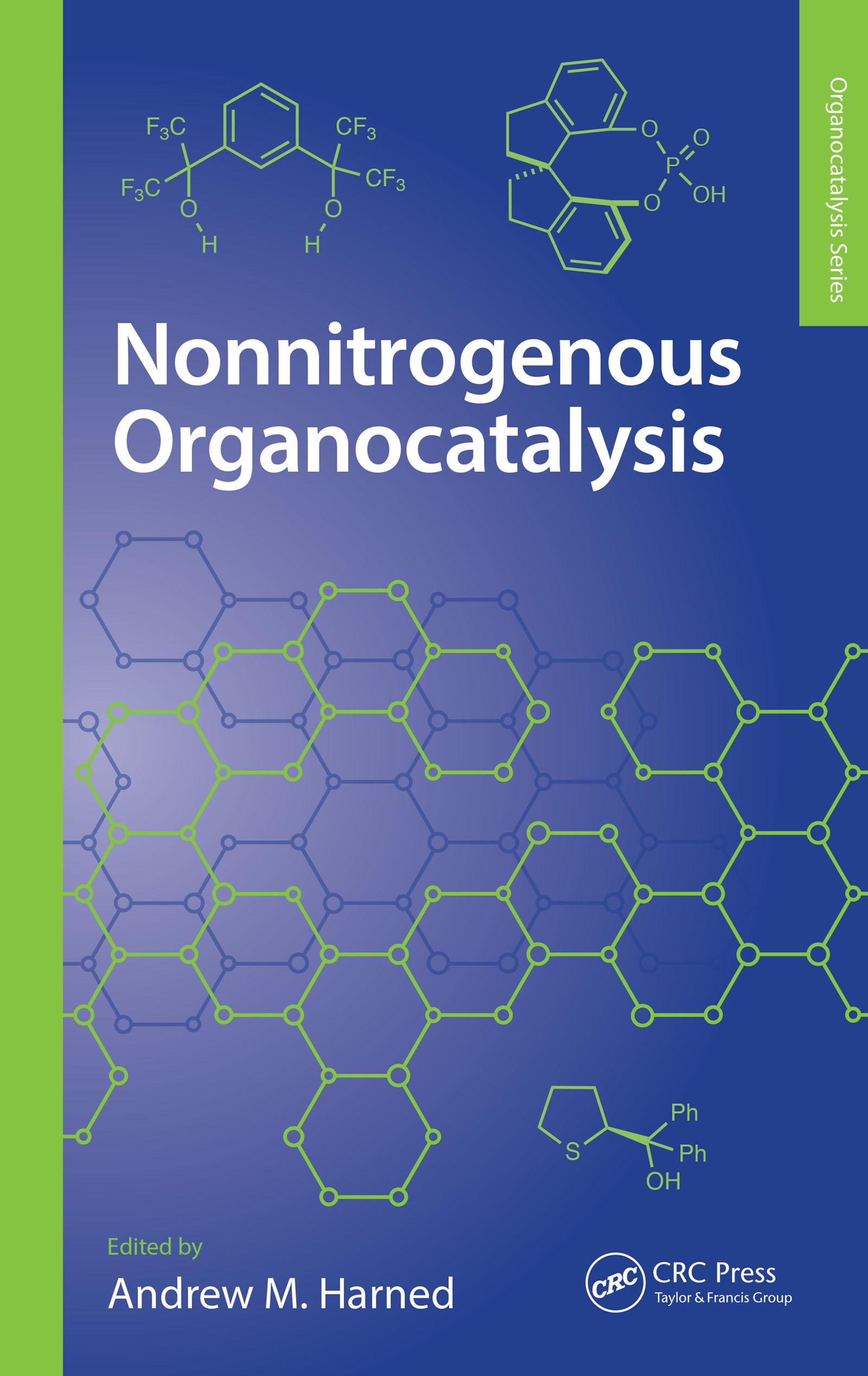
Since the 1990s the synthetic community has shown a growing interest in the development of catalytic reactions that employ entirely organic catalysts – so-called ‘organocatalysts’. With the current emphasis on green chemistry throughout the chemical industry, organocatalysis has become indispensible. In spite of this growth and recognition, there can be a misconception that organocatalysts are only based on nitrogen-containing functional groups (amines, ureas, and quaternary ammonium salts, for example), and are only useful for asymmetric reactions.
Nonnitrogenous Organocatalysis shows that the umbrella of organocatalysis covers other main group elements besides nitrogen, and the coverage is not just limited to asymmetric methods. Many of the catalysts and mechanisms discussed may not have a viable asymmetric variant or cannot be rendered asymmetric at all. This does not make them any less useful, as illustrated in this book.
Maksa helposti kortilla, Klarnalla, Apple Paylla tai Google Paylla. Etkö ole tyytyväinen? Sinulla on aina 14 päivän palautusoikeus. Lue lisää ehdoistamme. Jos sinulla on kysyttävää, lähetä meille sähköpostia osoitteeseen hello@memmo.org.
Memmo tekee opiskelusta helpompaa – missä päin maailmaa ikinä oletkin. Meillä yhdistät kurssikirjat ja fiksut opiskelutyökalut yhteen paikkaan: tiivistelmät, visat, podcastit ja muistikortit. Ja sitten Ted, opiskelukaverisi, joka vastaa kaikkeen, mitä ikinä mietitkin. Yli 50 000 opiskelijaa opiskelee jo täällä – rakennettu auttamaan sinua oppimaan nopeammin ja stressaamaan vähemmän.