
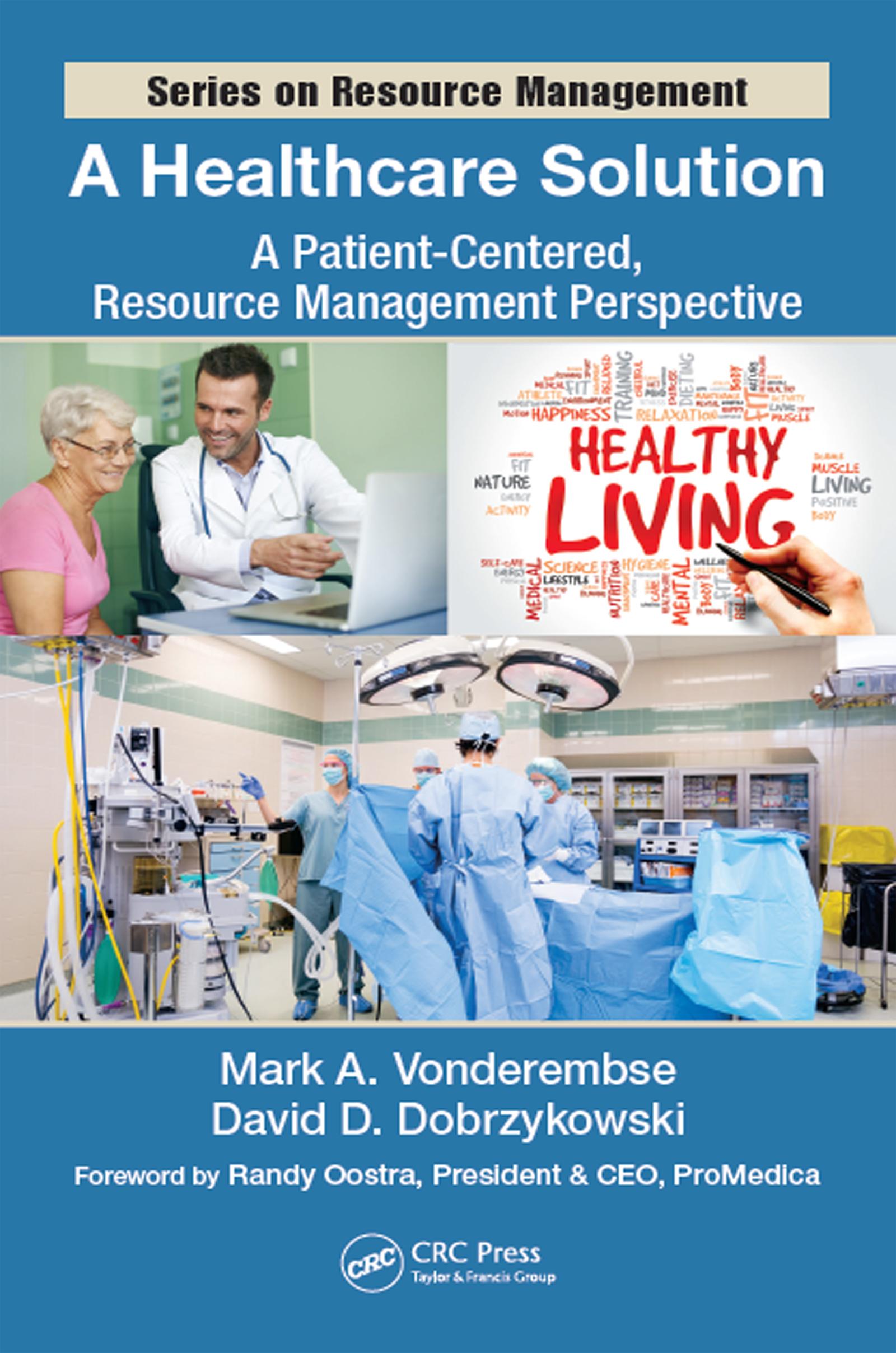
The evidence is undeniable. By any measure, the US spends more on healthcare than any other country in the world, yet its health outcomes as measure by longevity are in the bottom half among developed countries, and its health-related quality of life has remained constant or declined since 1998. In addition to high costs and lower than expected outcomes, the healthcare delivery system is plagues by treatment delays as it can take weeks to see a specialist, and many people have limited or no access to care.
Part of the challenge is that the healthcare delivery system is a large, complex, and sophisticated value creation chain. Successfully changing this highly interconnected system is difficult and time consuming because the underlying problems are hard to comprehend, the root causes are many, the solution is unclear, and the relationships among problems, causes, and solution are multifaceted. To address these issues, the book carefully explains the underlying problems, examines their root causes using information, data, and logic, and presents a comprehensive and integrated solution that addresses these causes. These three steps are the methodological backbone of this book.
A solution depends on understanding and applying the principles of patient-centered care (PCC) and resource management. PCC puts patients, supported by their primary care physicians, back in the role as decision makers and depends on patients being responsible for their health including making good life-style choices. After all, the best way to reduce healthcare costs and increase quality of life is to improve our health and wellness and as a result need less care. In addition, health insurance must be rethought and redesigned so it is less likely to lead to overuse. For many people with health insurance, the out-of-pocket cost of healthcare are small, so healthcare decision making is often biased toward consumption. Effective resource management means that healthcare providers must do a better job of acquiring and using resources in order to provide care quickly, productively, and correctly. This means improving healthcare strategy and management, accelerating the use of information technology, making drug costs affordable and fair, reducing the incidence of malpractice, and rebuilding the provider network.
In addition, implementation is difficult because there are many participants in the healthcare delivery value chain, such as physicians, nurses, and medical technicians, as well as many provider organizations, such as hospitals, clinics, physician offices, and labs. Further up the value chain there are pharmaceutical companies, equipment providers, and other suppliers. These participants have diverse and sometimes conflicting goals, but each must be willing to accept change and work in a coordinated manner to improve healthcare. To overcome these problems, strong national leadership is needed to get the attention and support from the people and organizations involved in healthcare and to make the comprehensive changes that will lower healthcare costs, improve healthcare quality, eliminate delays, increase access, and enhance patient satisfaction.
Maksa helposti kortilla, Klarnalla, Apple Paylla tai Google Paylla. Etkö ole tyytyväinen? Sinulla on aina 14 päivän palautusoikeus. Lue lisää ehdoistamme. Jos sinulla on kysyttävää, lähetä meille sähköpostia osoitteeseen hello@memmo.org.
Memmo tekee opiskelusta helpompaa – missä päin maailmaa ikinä oletkin. Meillä yhdistät kurssikirjat ja fiksut opiskelutyökalut yhteen paikkaan: tiivistelmät, visat, podcastit ja muistikortit. Ja sitten Ted, opiskelukaverisi, joka vastaa kaikkeen, mitä ikinä mietitkin. Yli 50 000 opiskelijaa opiskelee jo täällä – rakennettu auttamaan sinua oppimaan nopeammin ja stressaamaan vähemmän.