
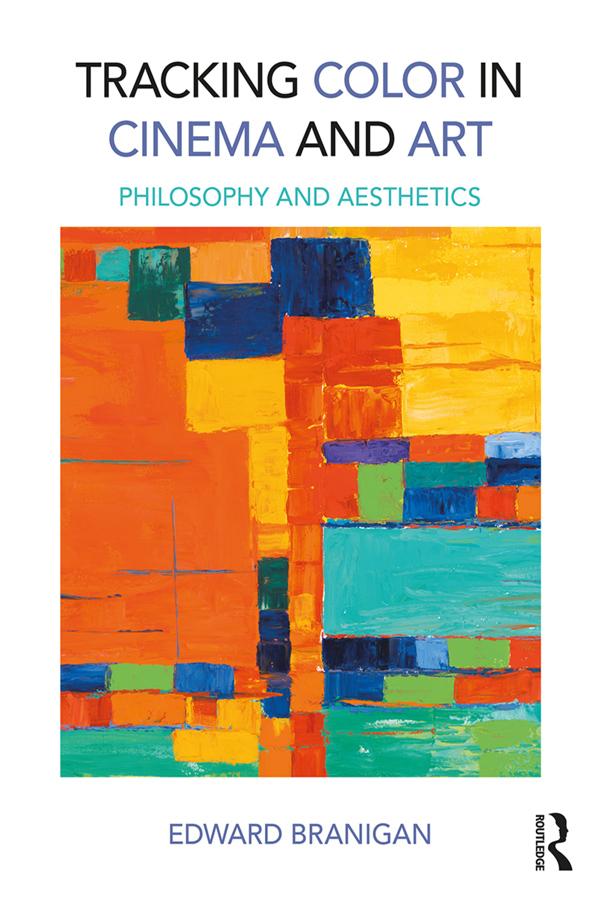
Color is one of cinema’s most alluring formal systems, building on a range of artistic traditions that orchestrate visual cues to tell stories, stage ideas, and elicit feelings. But what if color is not—or not only—a formal system, but instead a linguistic effect, emerging from the slipstream of our talk and embodiment in a world? This book develops a compelling framework from which to understand the mobility of color in art and mind, where color impressions are seen through, and even governed by, patterns of ordinary language use, schemata, memories, and narrative.
Edward Branigan draws on the work of Ludwig Wittgenstein and other philosophers who struggle valiantly with problems of color aesthetics, contemporary theories of film and narrative, and art-historical models of analysis. Examples of a variety of media, from American pop art to contemporary European cinema, illustrate a theory based on a spectator’s present-time tracking of temporal patterns that are firmly entwined with language use and social intelligence.
Maksa helposti kortilla, Klarnalla, Apple Paylla tai Google Paylla. Etkö ole tyytyväinen? Sinulla on aina 14 päivän palautusoikeus. Lue lisää ehdoistamme. Jos sinulla on kysyttävää, lähetä meille sähköpostia osoitteeseen hello@memmo.org.
Memmo tekee opiskelusta helpompaa – missä päin maailmaa ikinä oletkin. Meillä yhdistät kurssikirjat ja fiksut opiskelutyökalut yhteen paikkaan: tiivistelmät, visat, podcastit ja muistikortit. Ja sitten Ted, opiskelukaverisi, joka vastaa kaikkeen, mitä ikinä mietitkin. Yli 50 000 opiskelijaa opiskelee jo täällä – rakennettu auttamaan sinua oppimaan nopeammin ja stressaamaan vähemmän.