
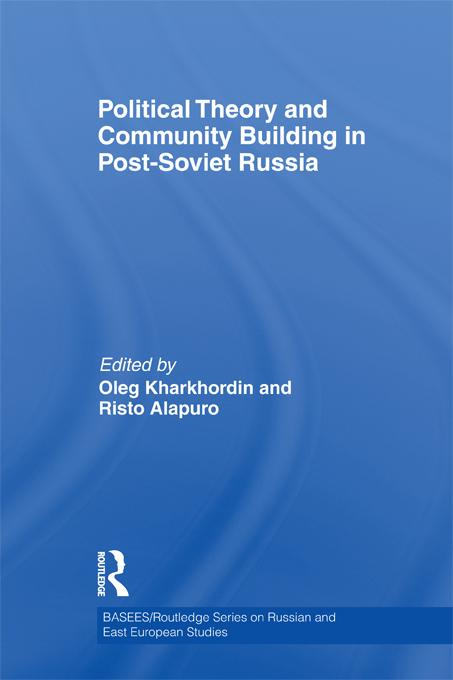
This book revisits many aspects of current social science theories, such as actor-network theory and the French school of science and technology studies, to test how the theories apply in a specific situation, in this case after 1991 in the city of Cherepovets in Russia, home of Russia’s second biggest steel producer, Severstal. Using political philosophy to analyse the down-to-earth details of the real techno-scientific problems facing the world, the book examines the role of things - and urban infrastructure in particular - in political change. It considers how the city’s infrastructure, including housing, ICT networks, the provision of public utilities of all kinds, has been transformed in recent years; examines the roles of different actors including the municipal authorities, and explores citizens’ differing and sometimes contradictory images of their city. It includes a great deal of new thinking on how communities are built, how common action is initiated to provide public goods, and how the goods themselves - physical things – are a crucial driver of community action and community building, arguably more so than more abstract social and human forces.
Maksa helposti kortilla, Klarnalla, Apple Paylla tai Google Paylla. Etkö ole tyytyväinen? Sinulla on aina 14 päivän palautusoikeus. Lue lisää ehdoistamme. Jos sinulla on kysyttävää, lähetä meille sähköpostia osoitteeseen hello@memmo.org.
Memmo tekee opiskelusta helpompaa – missä päin maailmaa ikinä oletkin. Meillä yhdistät kurssikirjat ja fiksut opiskelutyökalut yhteen paikkaan: tiivistelmät, visat, podcastit ja muistikortit. Ja sitten Ted, opiskelukaverisi, joka vastaa kaikkeen, mitä ikinä mietitkin. Yli 50 000 opiskelijaa opiskelee jo täällä – rakennettu auttamaan sinua oppimaan nopeammin ja stressaamaan vähemmän.