
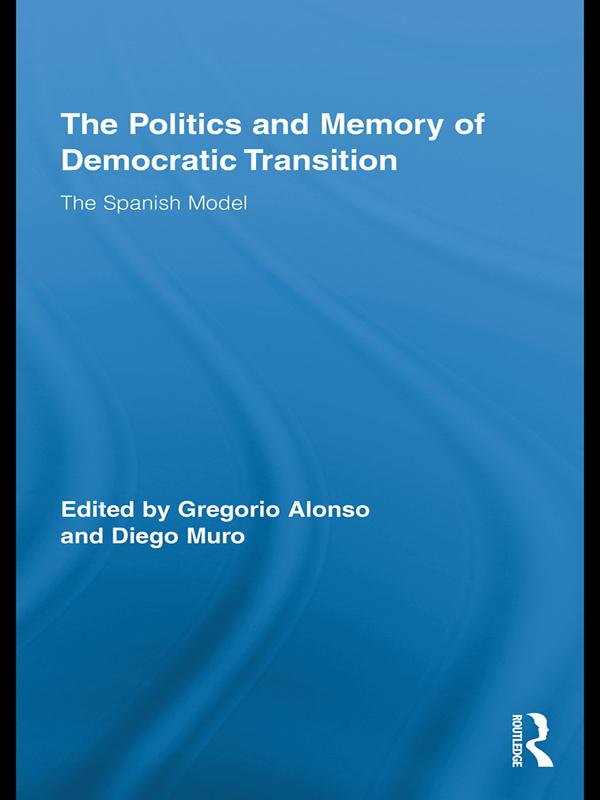
Most accounts on the Spanish transition to democracy of the late 1970s are based on a false dilemma. Its simplest formulation could be: was it the pressure from below, i.e. the organized working classes, students and neighbors associations that triggered political change; or was the elite settlement reached by the regime soft-liners and the moderate sectors of the democratic opposition that established it? This new and innovative volume appraises the movement towards a more democratic Spain from a variety of important perspectives; the collection of essays sheds light on the wide range of crucial processes, institutions and actors involved in the political transformation that operated in the Spanish instance of the Third Wave of democratization.
By making comparisons to other democratic transitions, synthesizing the ideas of several leading Spanish History scholars, as well as incorporating new voices involved in creating the directions of research to come, The Politics and Memory of Democratic Transition offers a thorough and vital look at this key period in contemporary Spanish history, taking stock of critical lessons to be gleaned from the Spanish Transition, and pointing the way toward its future as a democratic nation.
Maksa helposti kortilla, Klarnalla, Apple Paylla tai Google Paylla. Etkö ole tyytyväinen? Sinulla on aina 14 päivän palautusoikeus. Lue lisää ehdoistamme. Jos sinulla on kysyttävää, lähetä meille sähköpostia osoitteeseen hello@memmo.org.
Memmo tekee opiskelusta helpompaa – missä päin maailmaa ikinä oletkin. Meillä yhdistät kurssikirjat ja fiksut opiskelutyökalut yhteen paikkaan: tiivistelmät, visat, podcastit ja muistikortit. Ja sitten Ted, opiskelukaverisi, joka vastaa kaikkeen, mitä ikinä mietitkin. Yli 50 000 opiskelijaa opiskelee jo täällä – rakennettu auttamaan sinua oppimaan nopeammin ja stressaamaan vähemmän.