
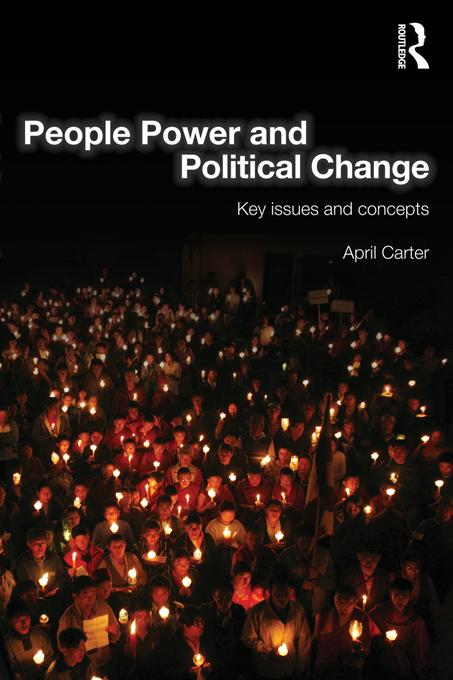
This book examines the upsurge in mass popular protest against undemocratic regimes. Relating early revolutions to recent global trends and protests, it examines the significance of ‘people power’ to democracy.
Taking a comparative approach, this text analyses unarmed uprisings in Iran 1977-79, Latin America and Asia in the 1980s, Africa from 1989-1992, 1989 in Eastern Europe and ex-Soviet states after 2000, right up to the 2011 ‘Arab Spring’. The author assesses the influence on people power of global politics and trends, such as the growth of international governmental organizations and international law, citizen networks operating across borders, and emerging media (like Twitter and Wikileaks). Although stressing the positive potential of people power, this text also examines crucial problems of repression, examples of failure and potential political problems, disintegration of empires and the role of power rivalries. Drawing from contemporary debates about democratization and literatures on power, violence and nonviolence, from both academic sources and media perspectives, this text builds an incisive analytical argument about the changing nature of power itself.
People Power and Political Change is a must read for students and scholars of democratic theory, international politics and current affairs.
Maksa helposti kortilla, Klarnalla, Apple Paylla tai Google Paylla. Etkö ole tyytyväinen? Sinulla on aina 14 päivän palautusoikeus. Lue lisää ehdoistamme. Jos sinulla on kysyttävää, lähetä meille sähköpostia osoitteeseen hello@memmo.org.
Memmo tekee opiskelusta helpompaa – missä päin maailmaa ikinä oletkin. Meillä yhdistät kurssikirjat ja fiksut opiskelutyökalut yhteen paikkaan: tiivistelmät, visat, podcastit ja muistikortit. Ja sitten Ted, opiskelukaverisi, joka vastaa kaikkeen, mitä ikinä mietitkin. Yli 50 000 opiskelijaa opiskelee jo täällä – rakennettu auttamaan sinua oppimaan nopeammin ja stressaamaan vähemmän.