
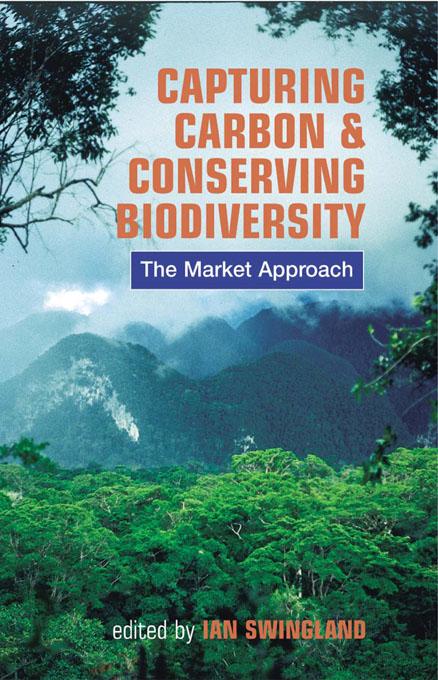
For decades conservation has been based on the donor-driven principle. It hasn't worked. For centuries, environmental pollution or degradation has been addressed by the same attitude: the 'Polluter Pays' principle. That hasn't worked either. The cycle has to stop. But while everyone talks about using a market-driven approach, few know how to do it. Faced with the situation on the ground what do you do? What is happening? How can you engage a system so that it is self-sustaining and the people self-motivated? This study explores how the growing market in carbon can help to conserve carbon-based life forms. It discusses how reducing global warming and saving biodiversity can both be achieved with the right market conditions. The contributors include conservation biologists, ecologists, biologists, economists, lawyers, community and tribal specialists, financial specialists, market makers, environment specialists, climatologists, resource managers, atmospheric scientists, project developers and corporate fund managers.
Maksa helposti kortilla, Klarnalla, Apple Paylla tai Google Paylla. Etkö ole tyytyväinen? Sinulla on aina 14 päivän palautusoikeus. Lue lisää ehdoistamme. Jos sinulla on kysyttävää, lähetä meille sähköpostia osoitteeseen hello@memmo.org.
Memmo tekee opiskelusta helpompaa – missä päin maailmaa ikinä oletkin. Meillä yhdistät kurssikirjat ja fiksut opiskelutyökalut yhteen paikkaan: tiivistelmät, visat, podcastit ja muistikortit. Ja sitten Ted, opiskelukaverisi, joka vastaa kaikkeen, mitä ikinä mietitkin. Yli 50 000 opiskelijaa opiskelee jo täällä – rakennettu auttamaan sinua oppimaan nopeammin ja stressaamaan vähemmän.
Saatat pitää myös näistä
Osta kirja0