
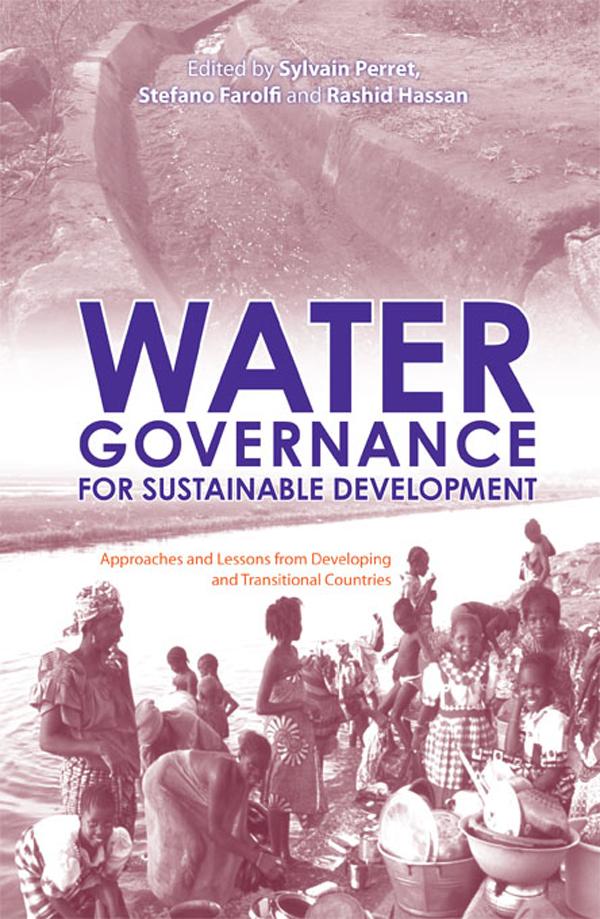
Good management of water resources - universally identified as a key aspect of poverty reduction, agriculture and food security - has proven, in practice, as difficult to achieve as it is eagerly sought. This book, edited and authored by leading authorities on water resource management, examines the recent changes in governance, institutions, economics and policies of water, covering developing, transitional and developed countries, with special emphasis on southern African case studies. The book examines how water policies, institutions and governance have shifted in recent years from supply-driven, quantitative, centrally controlled management to more demand-sensitive, decentralized, participatory approaches. Such a move often also implies cost recovery principles, resource allocation among competing sectors, and privatization. The case studies demonstrate that the new policies and legal frameworks have been difficult to implement and often fall short of initial expectations.
Using an accessible multidisciplinary approach that integrates economics, sociology, geography and policy analysis, the book untangles the issues and presents best practices for policy- and decision-makers, governments and regulators, NGOs and user groups, service providers, and researchers. The overall aim is to show how good water governance structures can be developed and implemented for the benefit of all.
Maksa helposti kortilla, Klarnalla, Apple Paylla tai Google Paylla. Etkö ole tyytyväinen? Sinulla on aina 14 päivän palautusoikeus. Lue lisää ehdoistamme. Jos sinulla on kysyttävää, lähetä meille sähköpostia osoitteeseen hello@memmo.org.
Memmo tekee opiskelusta helpompaa – missä päin maailmaa ikinä oletkin. Meillä yhdistät kurssikirjat ja fiksut opiskelutyökalut yhteen paikkaan: tiivistelmät, visat, podcastit ja muistikortit. Ja sitten Ted, opiskelukaverisi, joka vastaa kaikkeen, mitä ikinä mietitkin. Yli 50 000 opiskelijaa opiskelee jo täällä – rakennettu auttamaan sinua oppimaan nopeammin ja stressaamaan vähemmän.