
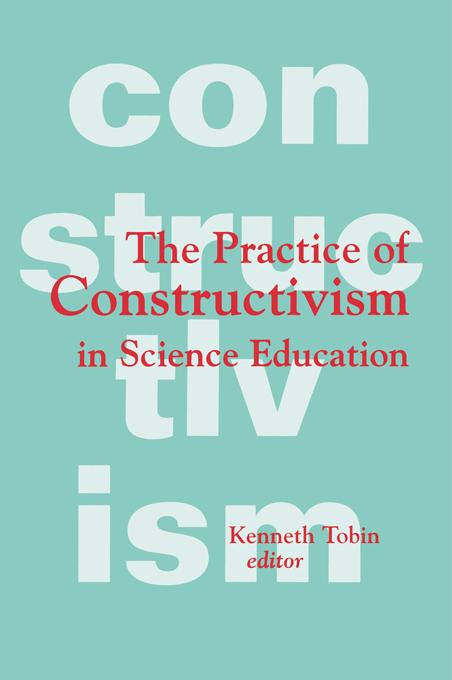
This volume provides a needed elaboration of theories and potential applications of constructivism in science education. Although the term "constructivism" is used widely, there has been a dearth of materials to guide science educators concerning the potential of constructivism to influence what is done in the field. In fact, there has been a tendency for constructivism to be viewed as a method that can be used in a classroom. This view tends to diminish the power of constructivism as a way of thinking about education, and in particular, about science education. The chapters in this book address the need to document the theoretical roots of constructivism and to describe how practitioners have applied constructivist oriented beliefs in the practice of K-12 teaching of science and mathematics, as well as teacher education. Not only does this book contain different theoretical perspectives on constructivism, but it also features a chapter that critiques constructivism as an epistemology. Specific topics covered include:
* cooperative learning,
* the negotiation of meaning,
* problem centered learning,
* social construction of knowledge,
* science in culturally diverse settings,
* curriculum planning and implementation, and
* instructional technology.
Issues associated with the preparation and enhancement of science teachers and the reform of science education are also explored.
Maksa helposti kortilla, Klarnalla, Apple Paylla tai Google Paylla. Etkö ole tyytyväinen? Sinulla on aina 14 päivän palautusoikeus. Lue lisää ehdoistamme. Jos sinulla on kysyttävää, lähetä meille sähköpostia osoitteeseen hello@memmo.org.
Memmo tekee opiskelusta helpompaa – missä päin maailmaa ikinä oletkin. Meillä yhdistät kurssikirjat ja fiksut opiskelutyökalut yhteen paikkaan: tiivistelmät, visat, podcastit ja muistikortit. Ja sitten Ted, opiskelukaverisi, joka vastaa kaikkeen, mitä ikinä mietitkin. Yli 50 000 opiskelijaa opiskelee jo täällä – rakennettu auttamaan sinua oppimaan nopeammin ja stressaamaan vähemmän.