
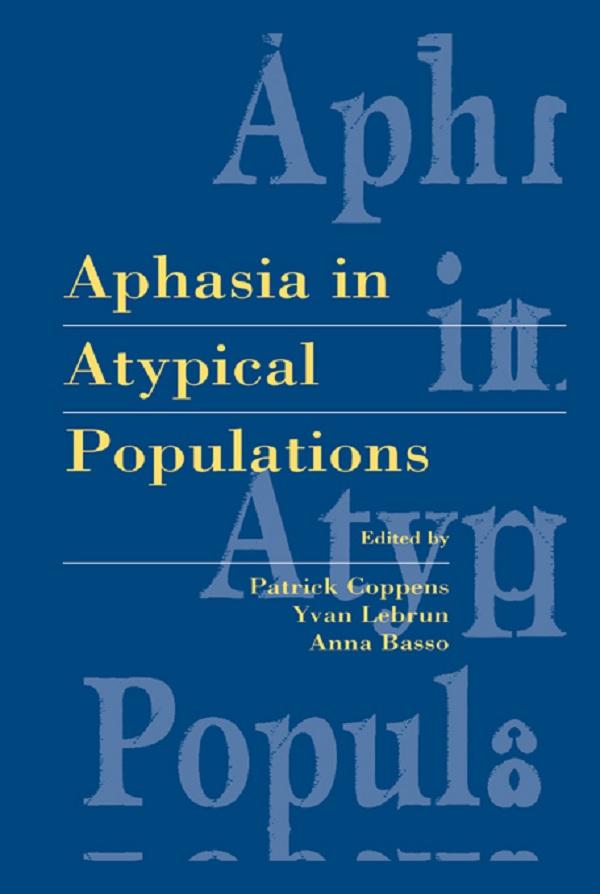
Theory and research in aphasiology have typically concentrated on a limited population--right-handed adult monolinguals whose language uses an alphabetic code. Bilingual individuals, ideographical code users, and children (among others) have been separated out. This book examines the available data from these "atypical" aphasics, asking whether what makes them different has a significant effect on language representation and processing in the brain. Each chapter reviews literature pertinent to a given population and explores whether (and potentially how) these populations differ from the "typical" aphasic population. The ultimate goal is to better understand whether the model of language used in aphasiology can be extended to these "atypical" populations, or conversely, whether significant differences merit the development of a new model.
Maksa helposti kortilla, Klarnalla, Apple Paylla tai Google Paylla. Etkö ole tyytyväinen? Sinulla on aina 14 päivän palautusoikeus. Lue lisää ehdoistamme. Jos sinulla on kysyttävää, lähetä meille sähköpostia osoitteeseen hello@memmo.org.
Memmo tekee opiskelusta helpompaa – missä päin maailmaa ikinä oletkin. Meillä yhdistät kurssikirjat ja fiksut opiskelutyökalut yhteen paikkaan: tiivistelmät, visat, podcastit ja muistikortit. Ja sitten Ted, opiskelukaverisi, joka vastaa kaikkeen, mitä ikinä mietitkin. Yli 50 000 opiskelijaa opiskelee jo täällä – rakennettu auttamaan sinua oppimaan nopeammin ja stressaamaan vähemmän.