
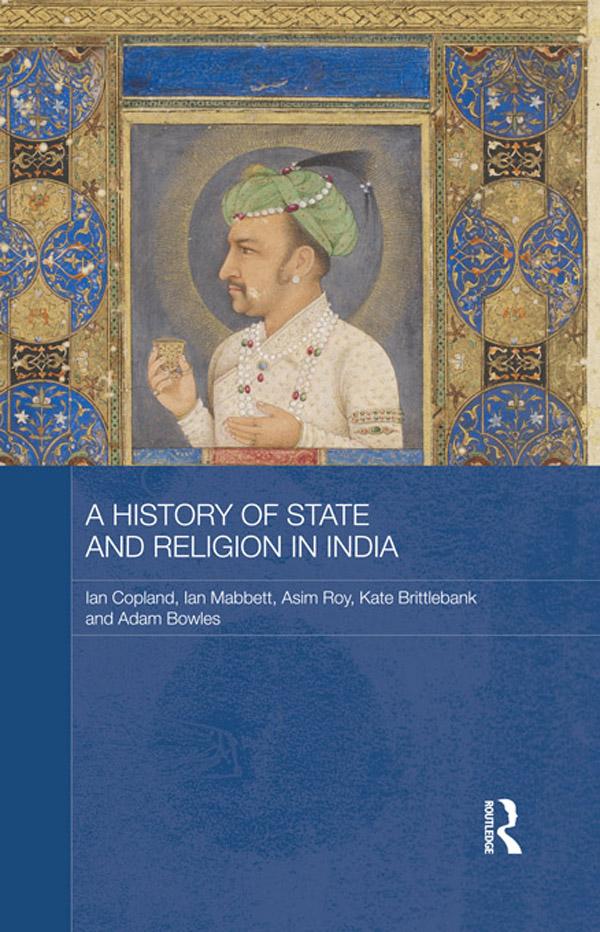
Offering the first long-duration analysis of the relationship between the state and religion in South Asia, this book looks at the nature and origins of Indian secularism. It interrogates the proposition that communalism in India is wholly a product of colonial policy and modernisation, questions whether the Indian state has generally been a benign, or disruptive, influence on public religious life, and evaluates the claim that the region has spawned a culture of practical toleration.
The book is structured around six key arenas of interaction between state and religion: cow worship and sacrifice, control of temples and shrines, religious festivals and processions, proselytising and conversion, communal riots, and religious teaching/doctrine and family law. It offers a challenging argument about the role of the state in religious life in a historical continuum, and identifies points of similarity and contrast between periods and regimes. The book makes a significant contribution to the literature on South Asian History and Religion.
Maksa helposti kortilla, Klarnalla, Apple Paylla tai Google Paylla. Etkö ole tyytyväinen? Sinulla on aina 14 päivän palautusoikeus. Lue lisää ehdoistamme. Jos sinulla on kysyttävää, lähetä meille sähköpostia osoitteeseen hello@memmo.org.
Memmo tekee opiskelusta helpompaa – missä päin maailmaa ikinä oletkin. Meillä yhdistät kurssikirjat ja fiksut opiskelutyökalut yhteen paikkaan: tiivistelmät, visat, podcastit ja muistikortit. Ja sitten Ted, opiskelukaverisi, joka vastaa kaikkeen, mitä ikinä mietitkin. Yli 50 000 opiskelijaa opiskelee jo täällä – rakennettu auttamaan sinua oppimaan nopeammin ja stressaamaan vähemmän.