
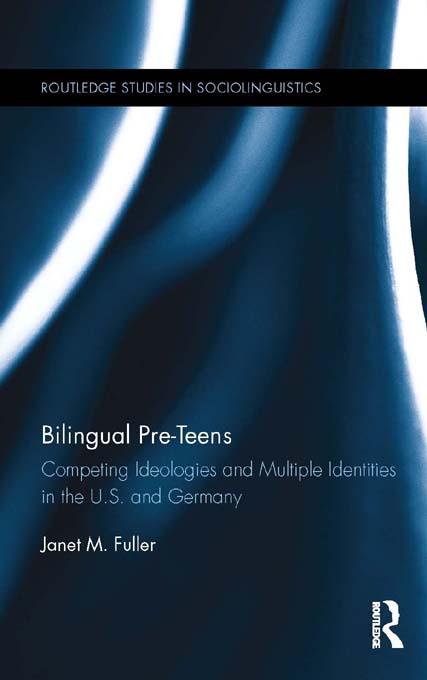
This volume examines the connection between socio-economic class and bilingual practices, a previously under-researched area, through looking at differences in bilingual settings that are classified as "immigrant" or "elite" and are thus linked to socio-economic class categories. Fuller chooses for this examination bilingual pre-teen children in Germany and the U.S. in order to demonstrate how local identities are embedded in a wider social world and how ideologies and identities both produce and reproduce each other. In so doing, she argues that while pre-teen children are clearly influenced by macro-level ideologies, they also have agency in how they choose to construct their identities with relation to hegemonic societal discourses, and have many other motivations and identities aside from social class membership which shape their linguistic practices.
Maksa helposti kortilla, Klarnalla, Apple Paylla tai Google Paylla. Etkö ole tyytyväinen? Sinulla on aina 14 päivän palautusoikeus. Lue lisää ehdoistamme. Jos sinulla on kysyttävää, lähetä meille sähköpostia osoitteeseen hello@memmo.org.
Memmo tekee opiskelusta helpompaa – missä päin maailmaa ikinä oletkin. Meillä yhdistät kurssikirjat ja fiksut opiskelutyökalut yhteen paikkaan: tiivistelmät, visat, podcastit ja muistikortit. Ja sitten Ted, opiskelukaverisi, joka vastaa kaikkeen, mitä ikinä mietitkin. Yli 50 000 opiskelijaa opiskelee jo täällä – rakennettu auttamaan sinua oppimaan nopeammin ja stressaamaan vähemmän.