
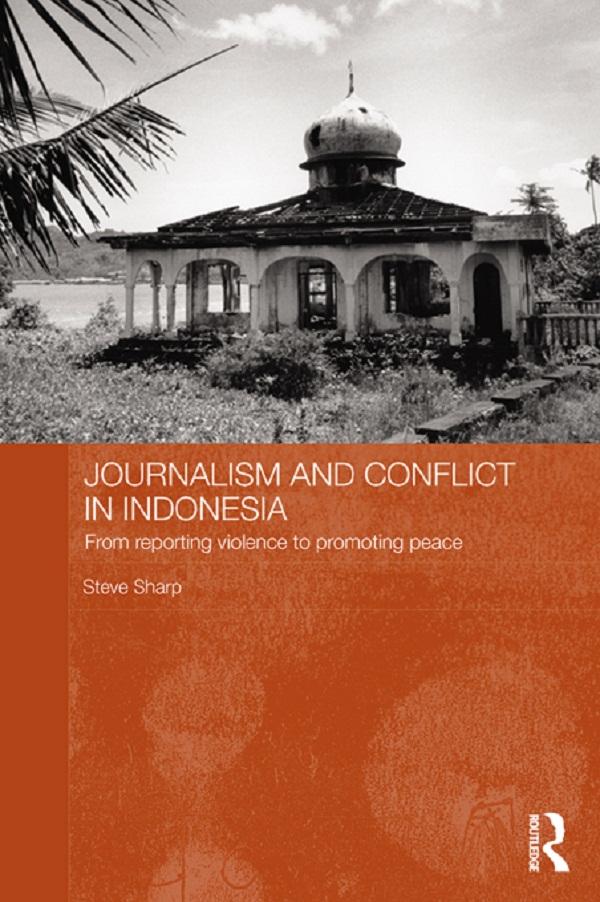
This book examines, through the case study of Indonesia over recent decades, how the reporting of violence can drive the escalation of violence, and how journalists can alter their reporting practices in order to have the opposite effect and promote peace. It discusses the nature of press freedom in Indonesia from 1966 onwards, considers the relationship between the press and politicians, and explores journalists’ working methods. It goes on to outline in detail the communal wars in eastern Indonesia in the period 1999-2000, arguing that communication as much as physical preparations for violence were key to bringing about the wars, with journalists’ rigid professional routines and newswriting conventions causing them to reproduce and enlarge the battle cries of those at war. The book concludes by advocating a "development communication" approach to journalism in transitional settings, in order to help journalists to counter the disintegrative tendencies of failing states and the communal strife that can result.
Maksa helposti kortilla, Klarnalla, Apple Paylla tai Google Paylla. Etkö ole tyytyväinen? Sinulla on aina 14 päivän palautusoikeus. Lue lisää ehdoistamme. Jos sinulla on kysyttävää, lähetä meille sähköpostia osoitteeseen hello@memmo.org.
Memmo tekee opiskelusta helpompaa – missä päin maailmaa ikinä oletkin. Meillä yhdistät kurssikirjat ja fiksut opiskelutyökalut yhteen paikkaan: tiivistelmät, visat, podcastit ja muistikortit. Ja sitten Ted, opiskelukaverisi, joka vastaa kaikkeen, mitä ikinä mietitkin. Yli 50 000 opiskelijaa opiskelee jo täällä – rakennettu auttamaan sinua oppimaan nopeammin ja stressaamaan vähemmän.